An intimate elopement wedding is a ceremony kept deliberately small, with guest counts that range from just the couple and an officiant to around 40 people.
The number itself matters less than the choice behind it: you are sizing the day to your relationship rather than to a guest list that grew for other reasons.
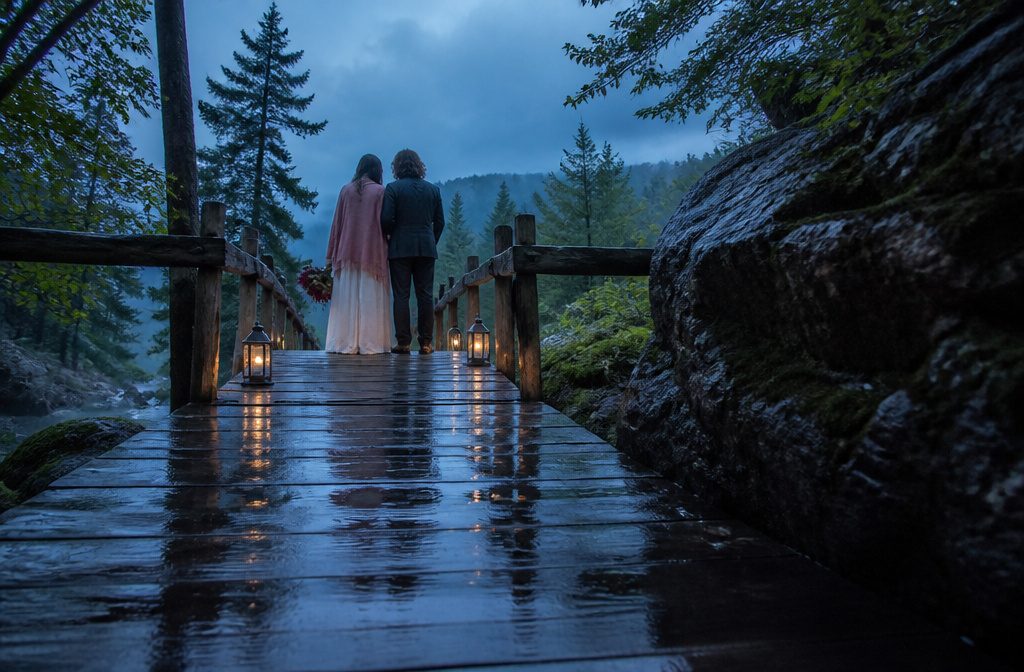
Emma and Lindsay invited only their two daughters and an officiant; Nick and Holly chose a secluded North Carolina resort that forced everyone, including them, off their phones.
What an Intimate Elopement Wedding Actually Is
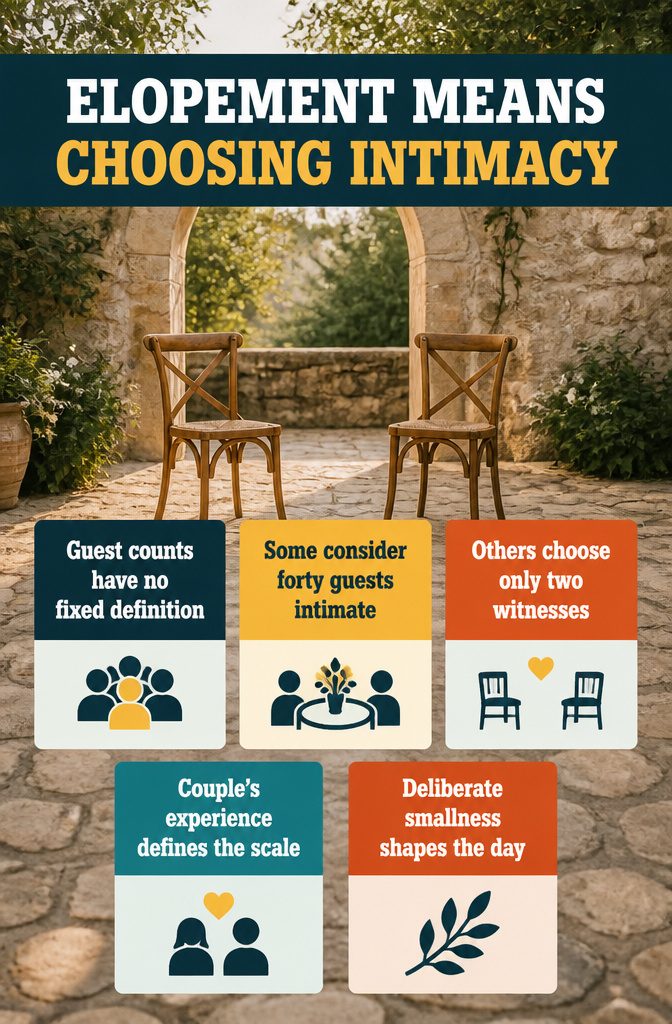
An intimate elopement wedding falls somewhere between traditional elopement and a micro wedding, and the guest count alone does not define it.
I have seen couples use the term for ceremonies with two witnesses on a beach and others apply it to gatherings of 40 friends in a rented venue.
The concept centers on deliberate smallness and the couple’s experience rather than a fixed number. What matters is that the couple chose to keep the day small, personal, and focused on the commitment rather than the production.
The confusion is real.
Couples planning truly small ceremonies mention frustration online when scrolling through posts labeled "elopement" that include full guest lists, dinner receptions, and multi-hour itineraries. Those read more like small weddings than the stripped-down ceremony they were hoping to plan.
Yet photographers and planners use "intimate elopement" to describe events with a handful of close family members present, even when the couple adds portraits, a celebration meal, or a reserved space afterward.
The line blurs because the term has shifted.
Traditionally, eloping meant just the couple and maybe a witness or officiant. Now it stretches to cover any wedding kept intentionally small, often with the couple making choices that prioritize connection over convention.
1. Choosing a Setting That Fits the Couple
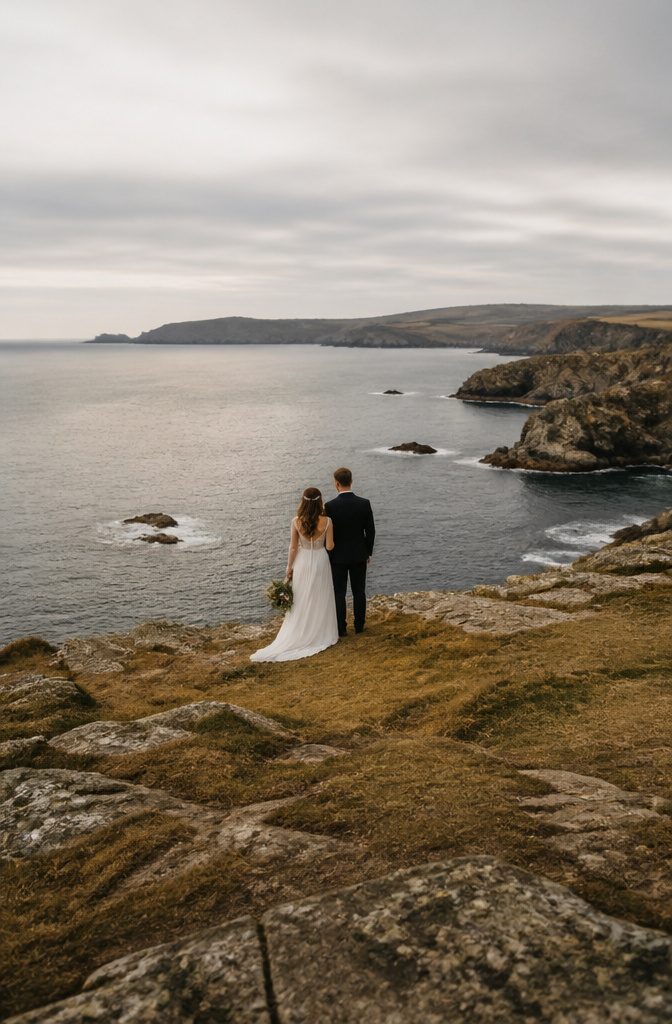
The setting usually comes first, before the date, the dress, or the guest list, and the range is wider than most couples expect.
A secluded Florida beach, a mountain resort in North Carolina, a hotel chapel, a greenhouse, a capitol building, a pond — all of these have served as the backdrop for an intimate elopement wedding.
The choice works best when it reflects both partners, not just one.
Nick wanted mountains; Holly, a Florida native, wanted water. Brown Mountain Beach Resort near Boone, NC gave them both: a historic, secluded property on the water with no cell service, which meant no distractions on the day itself.
That kind of compromise tends to produce a setting that feels genuinely shared rather than conceded to.
St. Augustine Beach offers the opposite logic: pure seclusion, with a landscape that mixes rocks, open ocean, and soft sand in one frame.
2. Keeping the Gathering Small and Close
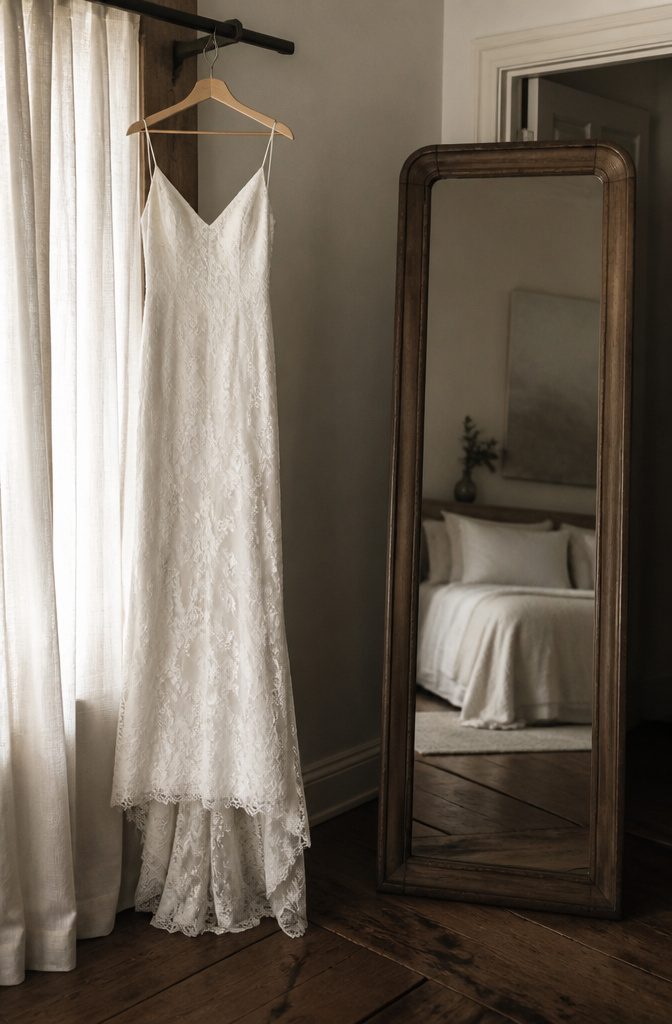
Small means different things to different couples, and the number matters less than the reason behind it.
Emma and Lindsay’s St. Augustine beach ceremony was witnessed by only their two daughters and an officiant—five people total, counting the couple themselves.
Nick and Holly kept their guest list under forty, inviting very close family and friends to Brown Mountain Beach Resort.
Stephanie and Thomas gathered parents and a handful of friends for their downtown Madison elopement at the Monona Terrace. The throughline is choice.
These couples decided exactly who they wanted present, whether that was two children or four dozen guests, and built the day around those people rather than obligation or tradition. The intimacy comes from intention, not from hitting a specific headcount.
3. Making the Ceremony Personal
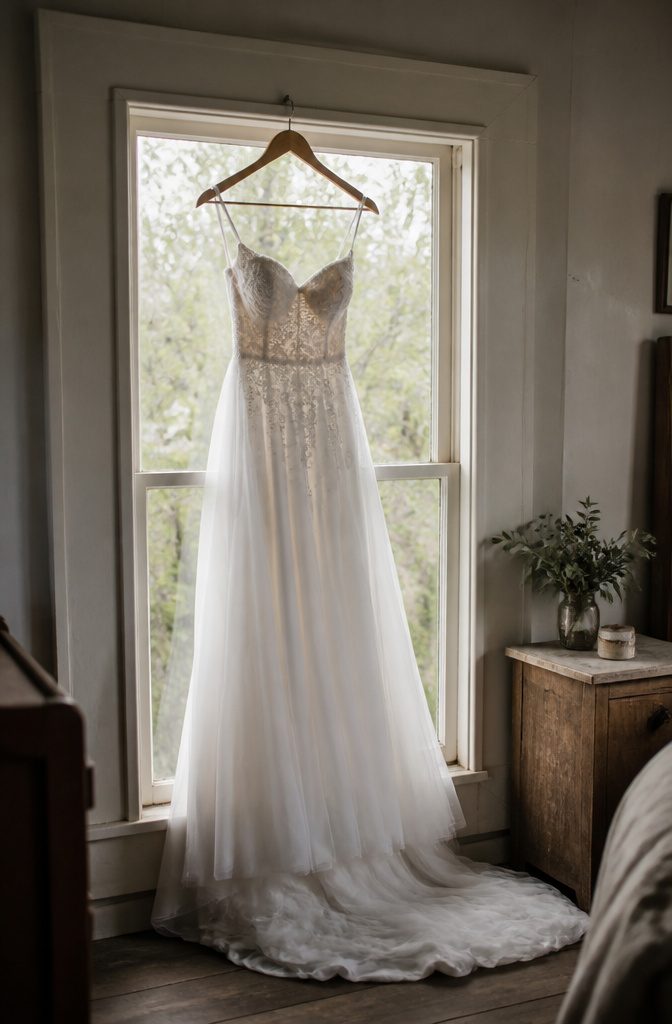
Vows exchanged while daughters held hands in a circle at the water’s edge say something a scripted church ceremony rarely does: that this family already exists, and the wedding is just the day it became official.
The ceremony style you choose is the clearest signal of what your elopement is actually about.
Taylor and Emily, who got engaged at Yavapai Point at sunset, went the opposite direction and said their vows at A Little White Chapel in Las Vegas, with Elvis officiating.
Neither choice is more serious than the other. A same-sex elopement near a 5th anniversary calls for exactly the same reverence a traditional wedding gets, and the intimacy is what makes that possible.
A quick, even humorous ceremony with 4 witnesses carries more weight than a perfunctory one in a ballroom of 200.
4. Adding Celebration Around the Ceremony
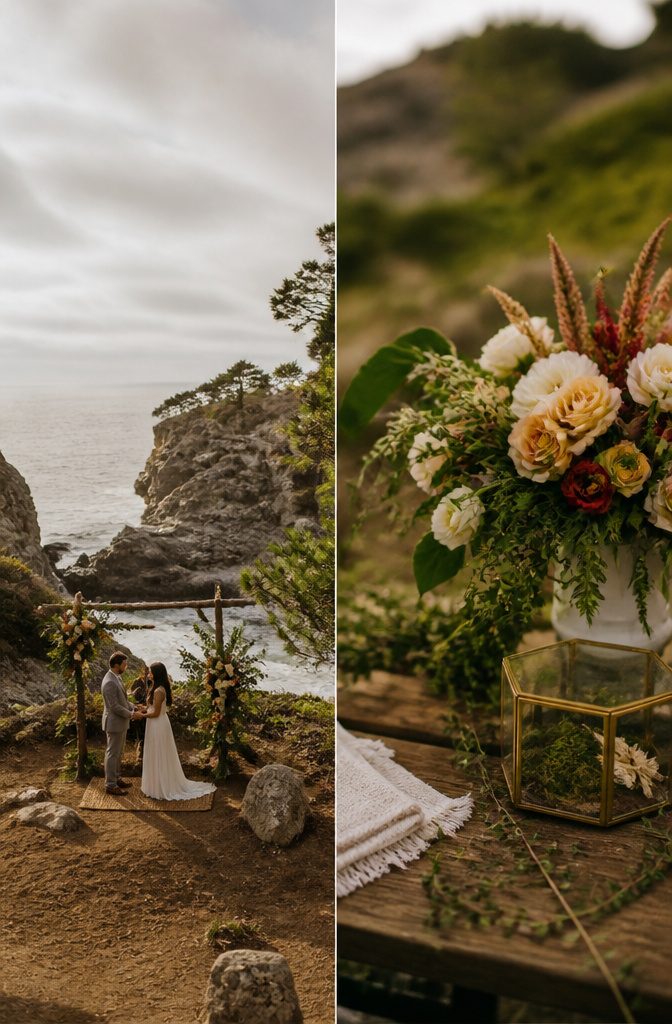
The ceremony is only part of the day. What couples do afterward is where the shape of an intimate elopement really shows.
After family photos, Stephanie and Thomas headed to Square Wine, where they’d reserved space for everyone. Cake was cut, wine was poured, and the afternoon turned into the kind of afternoon where people tell stories and laugh too loud.
No ballroom required. A wine bar with a reserved corner handles 10–15 people exactly as well.
The format doesn’t have to be that polished.
A campfire with s’mores, a toast at an RV park, or a Taco Bell run with cake and quesaritos gets at the same thing: the couple picks what they actually like, not what a reception is supposed to look like.
That specificity is what makes it feel real.
5. Adapting When Plans Change
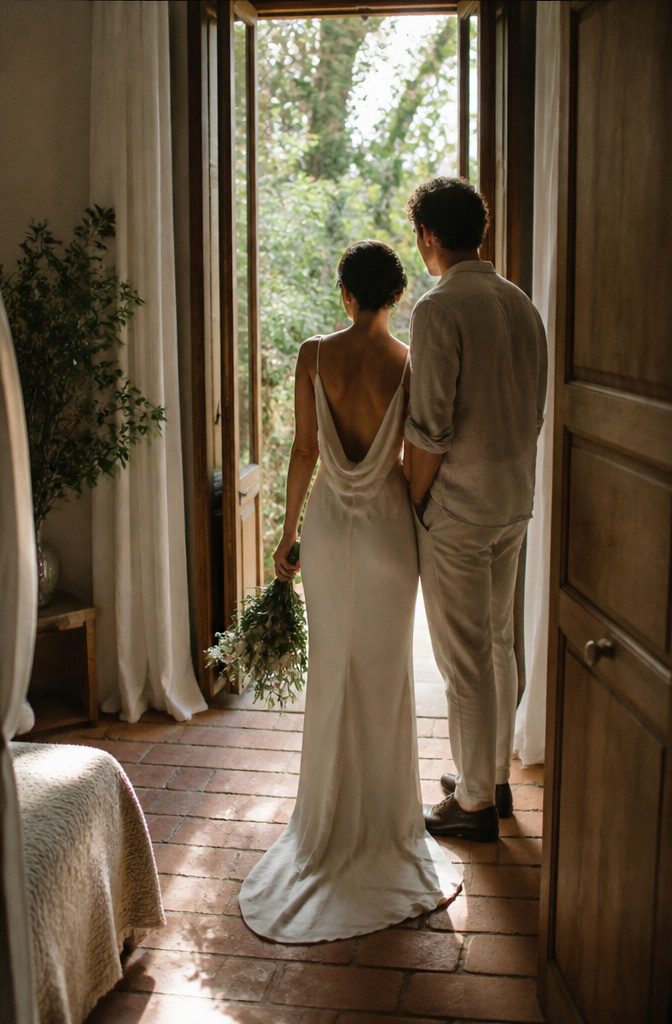
Plans change, and for many couples the intimate elopement wasn’t the original idea.
Nick and Holly had a Bali wedding mapped out before COVID rerouted everything; they landed instead at Brown Mountain Beach Resort in Lenoir, NC, a spot that split the difference between his mountain roots and her Florida upbringing.
Anne and Eamon got engaged two weeks before the world shut down and simply decided they didn’t want to postpone their lives for a party. Taylor and Emily made the same call: marry now, celebrate later.
Jason and Cari took a different road entirely, finally marrying on their 8th anniversary after a four-year engagement, with a handful of people watching from a dock at Nolde Forrest in Reading, PA.
In every case the pivot wasn’t a consolation prize. It was a choice to put the marriage ahead of the event.
Photography and Memories
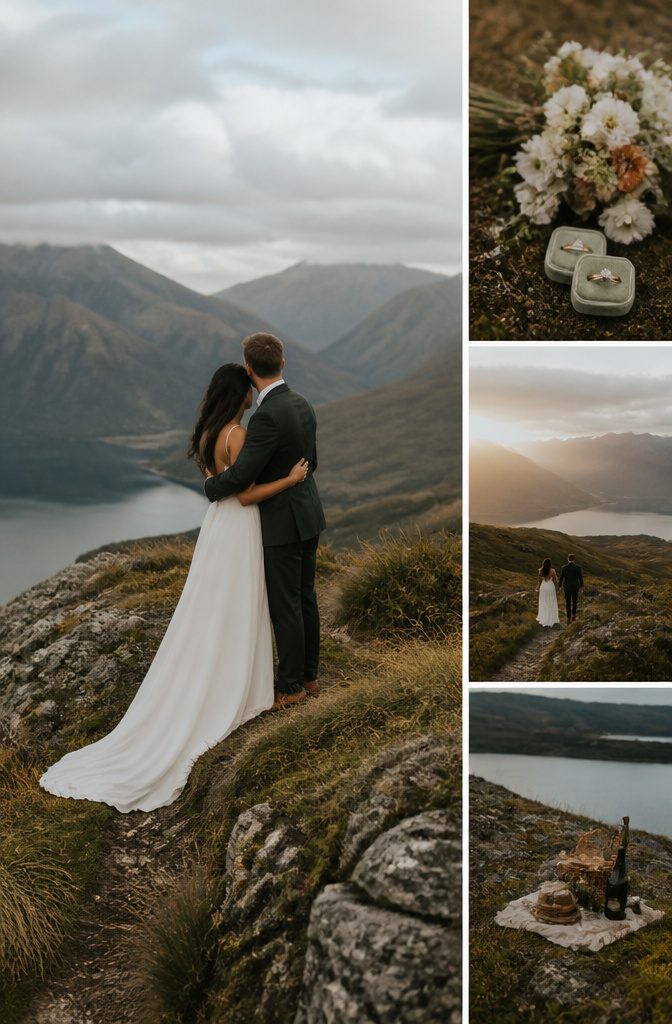
Portraits of connection matter here in a way they rarely do at a full reception.
When only a handful of people attend, photos become how absent family and friends experience the day, which means candid shots carry as much weight as the formal groupings.
The photographer catches the setting itself, the small details, and the family groupings that reflect exactly who was actually there, which is a different brief than the usual posed lineup.
At an elopement, the photographer often serves as a witness, making them a more central presence than at a 200-person wedding.
That changes the dynamic: couples tend to get real connection shots rather than managed poses, because there is no crowd to manage.
Frequently Asked Questions
What is the difference between an elopement and an intimate wedding?
An elopement typically means just the couple and maybe a witness or two, while an intimate wedding includes a small guest list but still has the structure of a ceremony and reception.
The line has blurred, and many couples now use the terms interchangeably for any wedding under 20 guests. What matters more than the label is whether the day is sized to you or to social obligation.
How much does an elopement usually cost?
Most couples spend between $2,000 and $10,000, depending on location, photography, and whether they include travel or a short trip afterward.
An elopement with just an officiant and a photographer in a public park will land at the low end, while a mountain resort with lodging and a small dinner can push toward the upper range.
The appeal is not that it costs nothing, but that the money goes to what the couple actually wants rather than to feeding 150 people.
Does eloping make you legally married?
Yes, as long as you file a marriage license with your county or state and have an officiant legally authorized to perform the ceremony.
The number of guests does not affect the legality. Some couples hold a symbolic ceremony in a beautiful location and handle the paperwork separately, but most combine both on the same day with an officiant who can sign the license.
What is a small intimate wedding called?
It goes by intimate wedding, micro wedding, or elopement depending on the size and structure.
Under 10 guests is usually called an elopement, 10 to 30 is often a micro wedding, and anything up to 50 might still be called intimate. The terms overlap, and couples use whichever one feels right for the experience they are planning.