
Before hiring a wedding planner, confirm their availability for your date and understand deposit policies, refund conditions, and flexibility for changes.
Ask about included services: design, coordination, vendor management.
Distinguish between in-house and external work.
Request references from similar weddings and clarify fee structures to uncover hidden costs.
Understand their vendor relationships, decision-making authority, and day-of staffing.
Learn their design process, emergency protocols, and conflict resolution methods.
These conversations reveal whether they will deliver your vision within budget and timeline.
Do Wedding Planners Have Your Date Available?
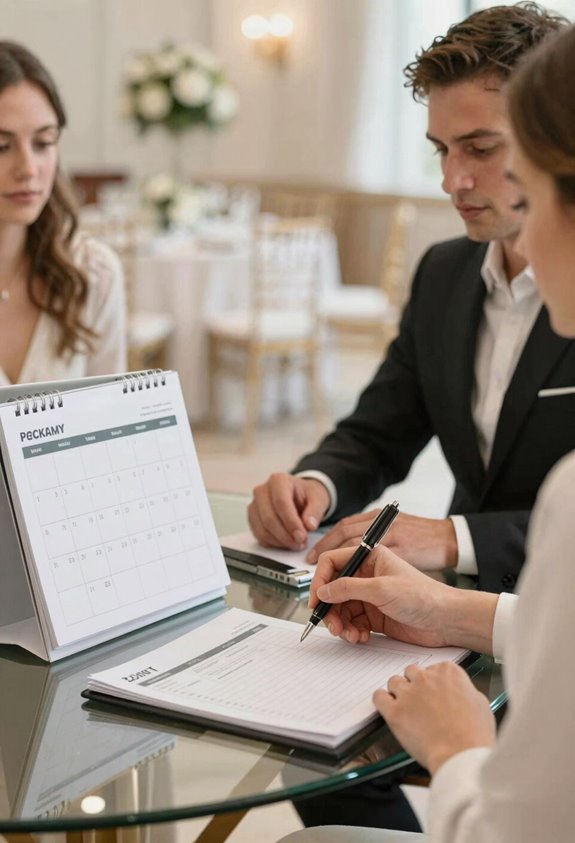
Before you invest time and energy into consultations with potential wedding planners, you’ll want to confirm their availability on your specific wedding date. Many skilled planners book months or years in advance, so early outreach is critical. If your preferred planner isn’t available, ask whether they offer alternative dates or can recommend trusted colleagues who can accommodate your celebration. Understanding the lead time required helps you plan accordingly. Additionally, inquire about their date hold policies and any deposits needed to secure your wedding date. Learn what happens if you find a better match later. Some planners provide flexible options allowing you to adjust or transfer your commitment. Ask about typical confirmation timelines and whether deposits are refundable so you can make an informed decision before committing financially.

Beautiful Modern Striped Design - Plan Your Wedding In Style: The wedding book planner comes in a modern striped design w/ a lovely, elegant cover! Sure to become a cherished keepsake that you’ll love to browse through in later years

What Services Are Actually Included in the Package?

You’ll discover that wedding planners offer vastly different service levels, with some bundling design and décor while others charge these elements separately. Coordination and design services represent two distinct offerings that directly affect your total cost, decision-making process, and the planner’s involvement throughout your planning journey. Understanding which amenities—vendor referrals, contract management, timeline creation, on-site supervision, and coordination for related events like rehearsal dinners—fall within your package prevents costly surprises and ensures no gaps exist on your wedding day.
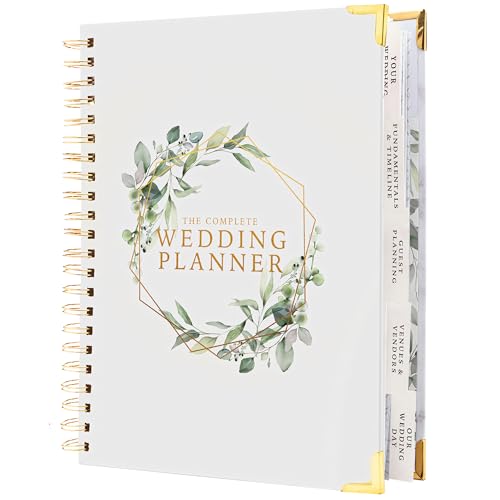
The Complete Wedding Planner - Our 132 page wedding planning book and organizer is designed for American weddings, with lots of helpful pointers, tips and budget savvy advice.

【Spiral hardcover wedding planner】:It adorned with opulent floral motifs, bound with rose gold spiral binding, and features corner protection. 2 convenient inner pocket can hold business cards and memos. This wedding planner is not only practical but also a keepsake worth treasuring.
Coordination Versus Design Services
Wedding planner packages vary widely in scope, with some professionals offering logistics and day-of coordination while others provide comprehensive design and décor services as well. You’ll want to clarify whether design elements are included in your package or billed separately, as this significantly impacts your timeline and budget allocation. Ask whether the planner provides mood boards, sketches, or samples during the design process and how those concepts translate into actual decor. Determine if your planner handles both planning and design in-house or collaborates with external designers for aesthetic components. Understand how design work integrates with your overall vision, including what portion of your budget supports design versus coordination tasks. Finally, establish who maintains final decision-making authority on color palettes, florals, and styling throughout the planning process.
Hidden Fees And Additional Costs
Once you’ve determined whether your planner handles design work in-house or through external collaborators, examine the actual financial structure of their services. Many couples discover unexpected expenses after signing contracts, so clarifying what your planning fee covers prevents costly surprises.
- Ask whether your planning fee is flat rate, hourly, or package-based, and identify which services, such as design, decor, and day-of coordination, are included or billed separately.
- Confirm what hidden fees might arise from vendor commissions, travel costs, or venue-specific permits that weren’t initially mentioned.
- Review the cancellation policy thoroughly, understanding penalties and conditions for scope changes.
- Request written documentation detailing additional costs and when they’re triggered.
Understanding these financial details upfront ensures you and your planner work with complete transparency and realistic budgeting throughout the planning process.
How Many Similar Weddings Have They Completed?
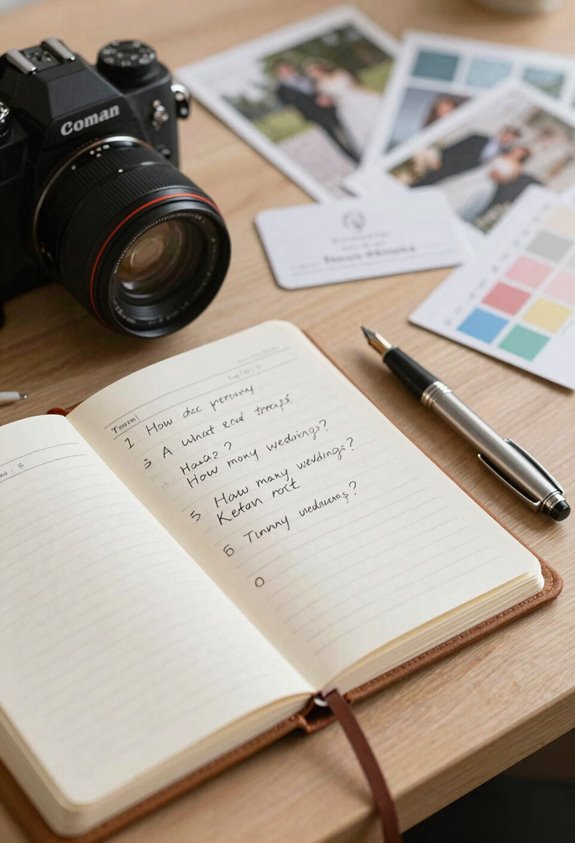
How much experience does your potential planner actually have with weddings like yours?
You’ll want to ask about their total weddings planned and request a breakdown of similar weddings matching your size, budget, and style. Understanding their experience matters because planners who’ve handled comparable events know the specific challenges you’ll face. Ask how many weddings they manage annually and during peak weekends to ensure they can dedicate adequate attention to your event.
| Experience Factor | Your Wedding | Planner’s Track Record |
|---|---|---|
| Venue Type | ||
| Guest Count | ||
| Cultural Requirements | ||
| Budget Range | ||
| Design Style |
Request references from clients with comparable wedding goals and constraints. Case studies of similar venues or cultural weddings reveal relevant expertise. This research helps you find a planner equipped for your specific vision and needs.

Beautiful Modern Striped Design - Plan Your Wedding In Style: The wedding book planner comes in a modern striped design w/ a lovely, elegant cover! Sure to become a cherished keepsake that you’ll love to browse through in later years
What’s the Real Cost, and Are There Hidden Fees?
Finding the right planner means understanding not just their experience, but also what you’ll actually pay for their services. Wedding planning costs vary substantially based on location, wedding type, and service level.
- Fee structures range from hourly rates to flat fees or percentage-based models, averaging $1,900 nationally with destination weddings costing around $2,400
- Hidden fees often emerge through design, décor, and vendor commissions that aren’t initially disclosed
- Cancellation policy details determine refund eligibility and when funds become non-refundable
- Vendor commissions and bundled discounts may inflate your total cost if the planner receives markups
Request itemized quotes clarifying what services are included versus additional charges. Ask about payment schedules and whether the planner receives referral bonuses from recommended vendors. Understanding these financial details upfront prevents cost surprises and establishes transparent communication with your planning team.

THE ULTIMATE WEDDING PLANNER BOOK AND ORGANIZER – Plan your wedding from start to finish with the Clever Fox wedding planner binder. Includes wedding checklists, budget planning tools, and tips to organize your venue, vendors, décor, and timeline.

THE ULTIMATE WEDDING PLANNER BOOK AND ORGANIZER – Plan your wedding from start to finish with the Clever Fox wedding planner binder. Includes wedding checklists, budget planning tools, and tips to organize your venue, vendors, décor, and timeline.

THE ULTIMATE WEDDING PLANNER BOOK AND ORGANIZER – Plan your wedding from start to finish with the Clever Fox wedding planner binder. Includes wedding checklists, budget planning tools, and tips to organize your venue, vendors, décor, and timeline.
Which Vendors Do They Work With and Why?
Your wedding planner’s vendor network directly influences your event’s quality, cost, and overall experience. Ask which vendors comprise their preferred roster and understand why those partners were selected, whether for quality, reliability, pricing, or alignment with your vision. Determine if they offer exclusive vendor referrals or maintain open recommendations, and clarify how they manage potential conflicts of interest in their referrals. Request details about vendor coordination methods, including whether meetings occur on-site, virtually, or through hybrid approaches. Identify who obtains quotes and manages contracts throughout planning. Ask for specific case studies demonstrating how vendor partnerships have solved problems or negotiated discounts on past events. Request references showcasing successful vendor collaboration and efficient logistics that enhanced previous weddings.
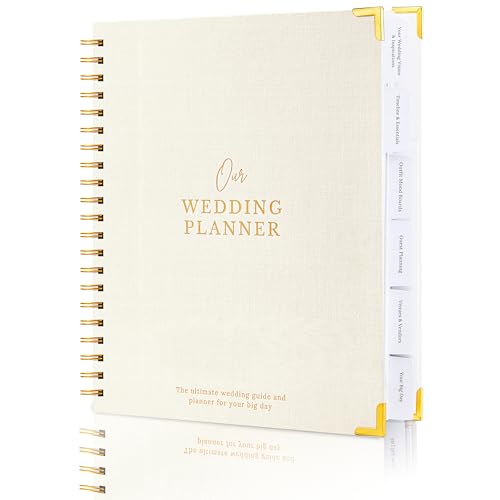
Wedding Planner Book and Organizer - This 144-page day planner and budget book covers vendors, guest list, and every wedding planning book essential from engagement to I Do


Excellent wedding planning idea for a proud wedding coordinator.
How Do They Handle Decision-Making and Changes?
Disagreements between couples and planners inevitably arise during wedding planning, making it essential to understand how your planner navigates conflicting opinions, scope shifts, and last-minute adjustments. Clarify their decision-making approach by asking:
- Who holds final authority when you and your partner disagree on vision, budget, or timeline changes.
- What communication tools they use for approvals, updates, and conflict resolution with transparent documentation.
- How they document scope changes, handle deposits or refunds, and adjust timelines accordingly.
- What past conflicts reveal about their change management style and how they presented options to couples.
Understanding these processes ensures your planner’s conflict resolution methods align with your needs. Request specific examples demonstrating how they’ve handled unexpected challenges while maintaining clear, consistent communication throughout planning phases.

Beautiful Modern Design - Plan Your Wedding In Style: The wedding book planner comes in a modern beige minimalistic design w/ a lovely, elegant cover - perfect for the engagement season! Sure to become a cherished keepsake that you'll love to browse through in later years
Wedding planner outfit for Wedding Coordinator, event planner, and wedding specialist responsible for event planning, managing Wedding Day and collaborating with vendors during Wedding Day to execute the couple's envisioned theme.

THE ULTIMATE TOOL FOR ORGANIZING YOUR WEDDING: Ensuring each tiny detail of your wedding is taken care of is no easy feat. To help, we created the Clever Fox Wedding Planner – a universal wedding planner organizer filled with helpful tips and checklists to make it easy to plan your wedding from A to Z. Practical and easy-to-use, this planner will help you envision your ideal wedding, develop a preparation plan and budget, find a perfect venue, choose the best vendors, and so much more.
What’s Their Design Process and Flexibility?
How a wedding planner transforms your vision into reality reveals much about their creative approach, attention to detail, and willingness to adapt to your preferences. Ask whether they use mood boards, sketches, or samples to develop concepts that reflect your personal style. Inquire about their collaboration method, including design review frequency and approval protocols when opinions differ. Clarify whether they offer both planning and design services, and whether decor packages include all elements or require separate billing. Request examples of past weddings demonstrating their design process from concept to execution, including cohesive color palettes and event themes. Confirm the tools or platforms they use for presenting designs, managing timelines, and sharing updates with you throughout your planning journey.


How Do They Manage the Wedding Day and Handle Emergencies?
No matter how meticulously you’ve planned every detail, wedding day surprises such as vendor no-shows, weather disturbances, and timeline delays can derail even the most carefully orchestrated celebration. Your planner’s emergency management skills directly impact whether your day runs smoothly or devolves into chaos.
Ask potential planners these essential questions:
- What’s their on-site presence schedule, including arrival time and staff count throughout your event?
- How do they handle vendor cancellations and weather delays with specific backup plans?
- What’s their process for creating contingency timelines that address potential disruptions?
- Who communicates with venues and vendors during emergencies, and how quickly do they respond?
Request concrete examples of past emergencies they’ve managed successfully. Their vendor coordination protocols and decision-documentation processes directly determine whether you’ll have capable support when unexpected situations arise.
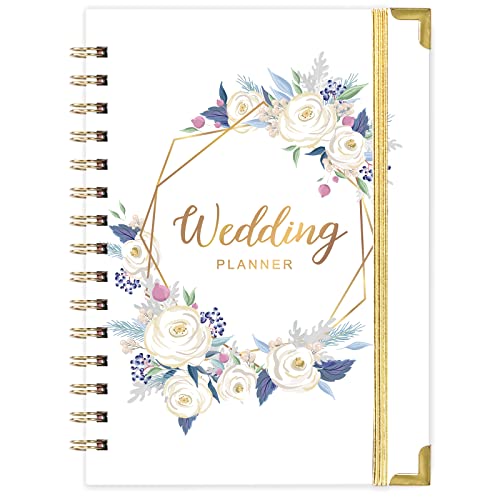
🕍 GOOD WEDDING PLANNING ASSISTANT - High-quality wedding planner with 220 planning pages and 5 section guiding pages, a perfect companion to help you plan your perfect day. With five top sections - FOUNDAMENTALS, TIMELINE, GUEST PLANNING, VENUES & SUPPLIERS, WEDDING DAY PLANNING, it will almost certainly prompt you about things you haven’t yet thought about!

THE ULTIMATE WEDDING PLANNER BOOK AND ORGANIZER – Plan your wedding from start to finish with the Clever Fox wedding planner binder. Includes wedding checklists, budget planning tools, and tips to organize your venue, vendors, décor, and timeline.

🕍 GOOD WEDDING PLANNING ASSISTANT - Featuring a delicate Leaves and Grass motif, this wedding planner combines a luxurious cover, rose gold spiral binding, and durable corner protectors. More than just an organizer, it’s a timeless keepsake to treasure long after your special day. High-quality wedding planner book and organizer with 110 planning pages and 5 section guiding pages, a perfect companion to help you plan your perfect day. With five top sections - FOUNDAMENTALS, TIMELINE, GUEST PLANNING, VENUES & SUPPLIERS, WEDDING DAY PLANNING, it will almost certainly prompt you about things you haven’t yet thought about!