Unity rituals run from a 3-candle setup anyone can light to a wine box buried with letters or a ceremonial fish cut at the reception, and the right one depends on your venue, your timeline, and whether you want a keepsake you can take home.
If you are working outdoors without wind protection, sand pours cleanly and does not require a flame, and if your family background ties to a specific tradition, a ritual like handfasting, foot washing, or ceremonial fish cutting carries historical or cultural weight the ceremony would otherwise miss.
1. Unity Sand Ceremony
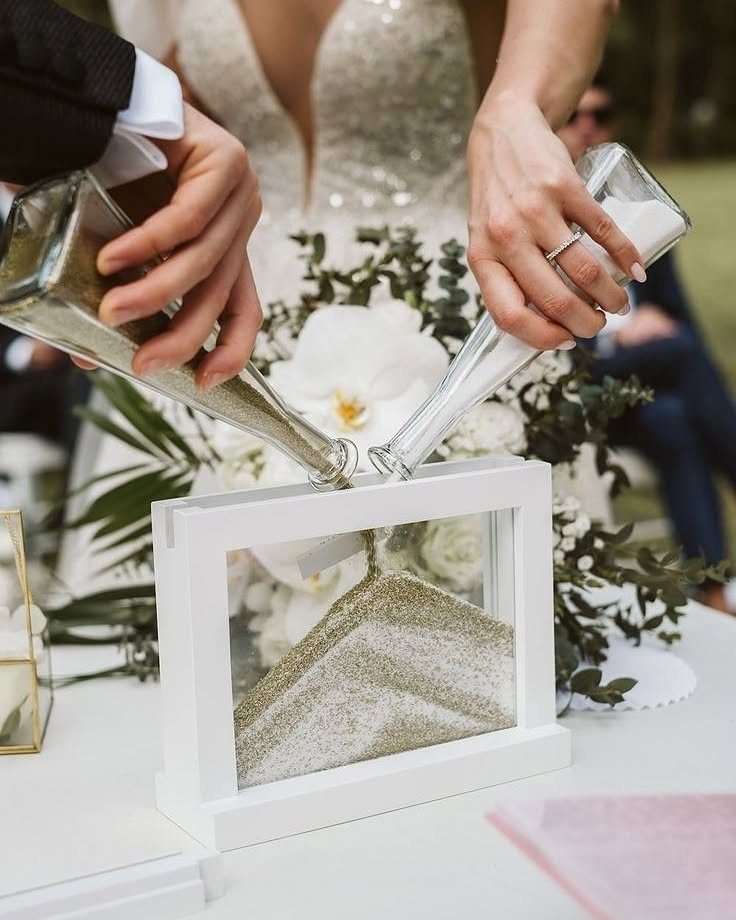
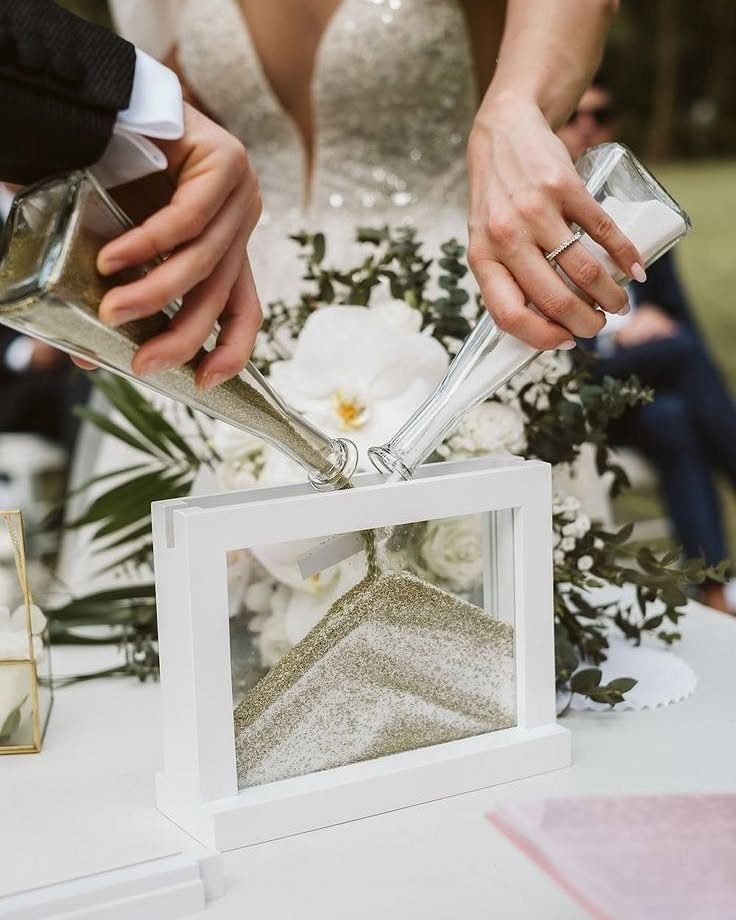
The couple each pours colored sand from their own container into a single shared vessel, and the layers blend to show 2 lives coming together.
You can use any color combination that means something to you, and the mixed sand stays visible in its container afterward as a keepsake.
Pick a vessel with a wide opening so the sand pours cleanly. Glass vases, shadow boxes with a glass front, or wide jars all work.
If you want distinct layers, pour slowly and alternate; if you want the colors to swirl together, pour at the same time. This suits outdoor ceremonies well since there is nothing to light or keep dry.
You might be surprised to realize that the simple act of exchanging wedding rings is actually a unity ceremony – a symbolic act between the people getting married to show their devotion and commitment.
2. Unity Candle
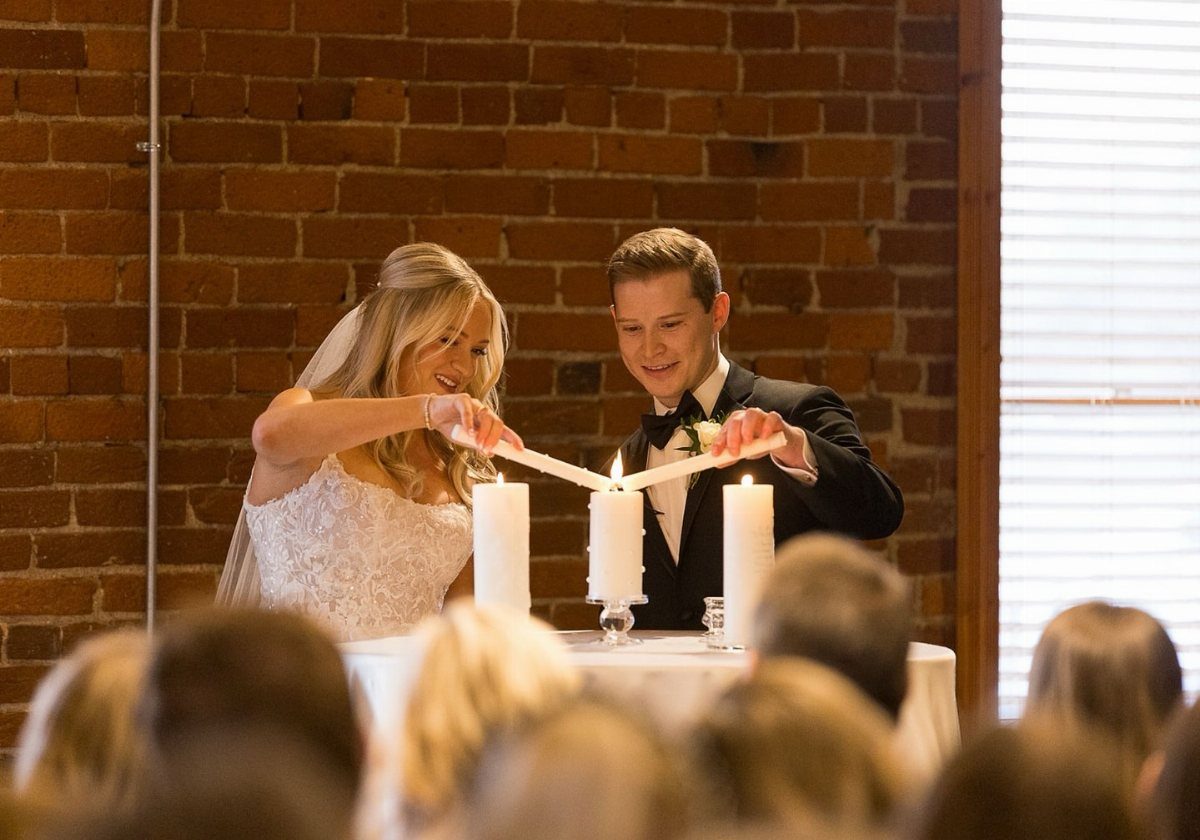
Each of you lights a taper candle, then brings both flames together to light a single pillar. The single candle represents the joined life, and the gesture is simple enough that it fits nearly any ceremony length or style.
You need 3 candles: 2 matching tapers for the couple and 1 pillar or larger taper for the center. Some couples have their mothers light the individual tapers first to represent the families joining.
If your ceremony is outdoors, test the candles in advance or choose a spot with some wind protection, since even a light breeze can make the lighting take several tries.
3. Tree Planting
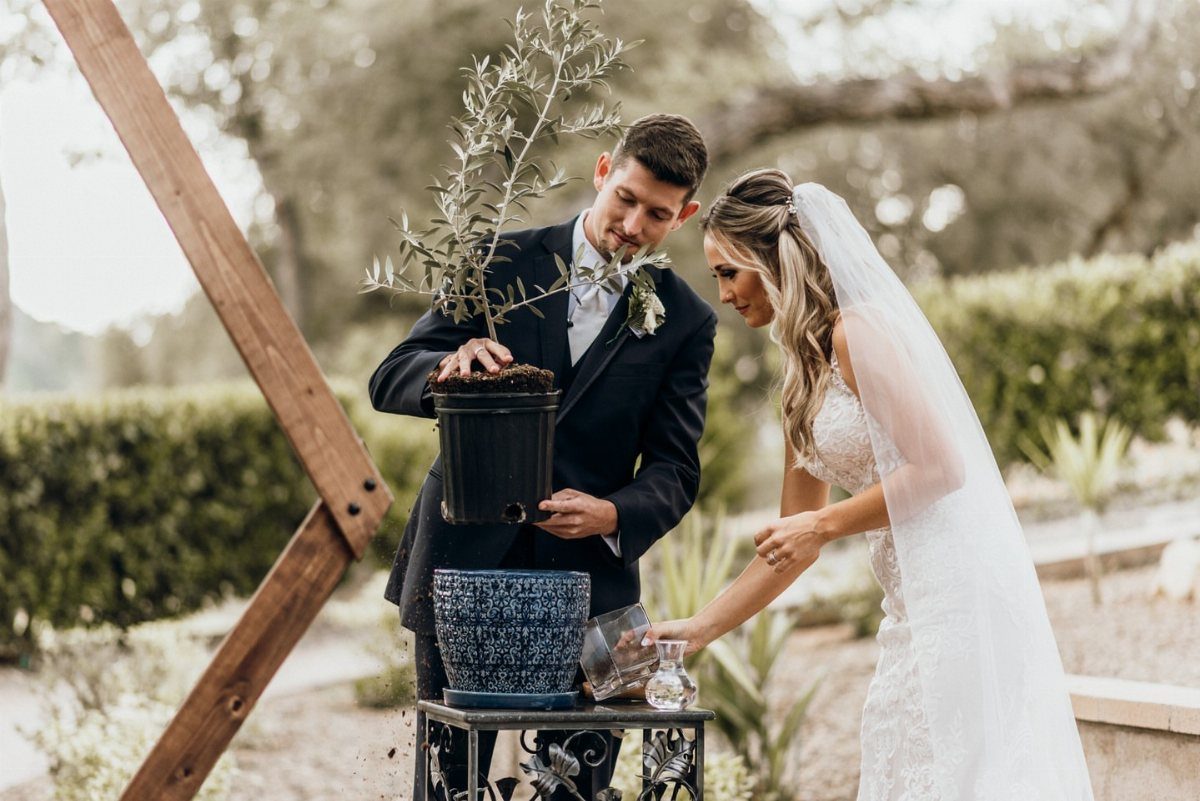
Instead of pouring sand or lighting a candle, the couple plants a tree or potted plant together during the ceremony. The plant grows over the years, so it becomes a living reminder of the marriage.
You can use a sapling, a young tree, or a smaller potted plant depending on where you plan to keep it.
If you have outdoor space at home, you can transplant it into the ground after the wedding. If not, choose something that does well in a large pot indoors.
Olive trees, fruit trees, and succulents all work. Bring enough soil to fill the pot during the ceremony, and keep a small trowel or scoop nearby.
4. Handfasting
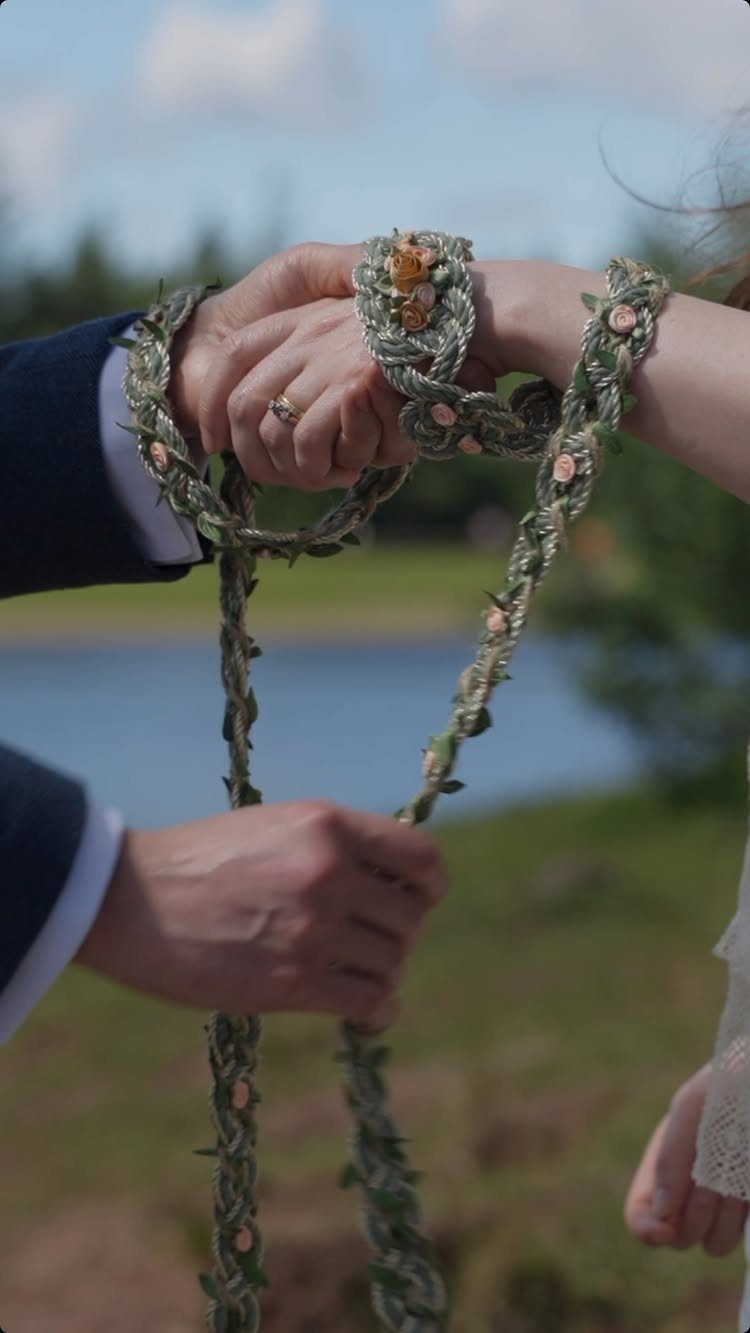
A length of cord, ribbon, or fabric wraps around the couple’s joined hands and ties them together, usually in a figure-eight or simple knot.
The binding is where the phrase "tying the knot" comes from, and it has roots in Celtic and Pagan tradition.
You can use a single cord or braid several together. Silk, satin, cotton, or leather all work, and some couples weave in flowers or greenery for texture.
The officiant or a family member usually does the binding, and the couple’s hands stay tied for a portion of the ceremony before the cord is removed and kept.
This suits couples who want a ritual with historical or spiritual weight.
5. Love Letter Wine Box
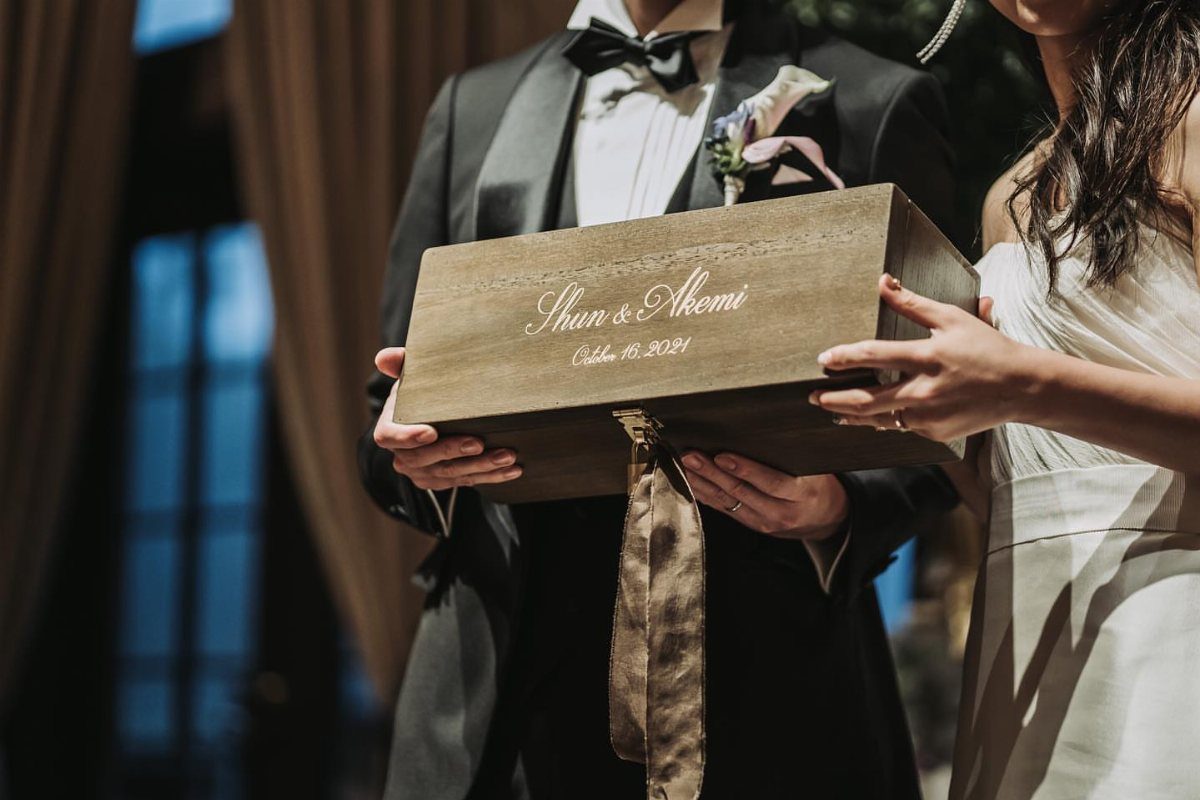
The couple seals letters to each other, along with a bottle of wine, inside a wooden box during the ceremony.
The box stays closed until a set anniversary or a difficult moment in the marriage, when they open it together and read what they wrote.
You need a box large enough to hold a wine bottle and 2 envelopes.
Many couples have the box engraved with their names and wedding date. Some versions include a second bottle for the couple to share during the ceremony, so the sealed bottle is specifically for the future.
Write the letters ahead of time and pick a wine that holds up over the years, especially if you want to save the box for a later anniversary.
6. Foot Washing
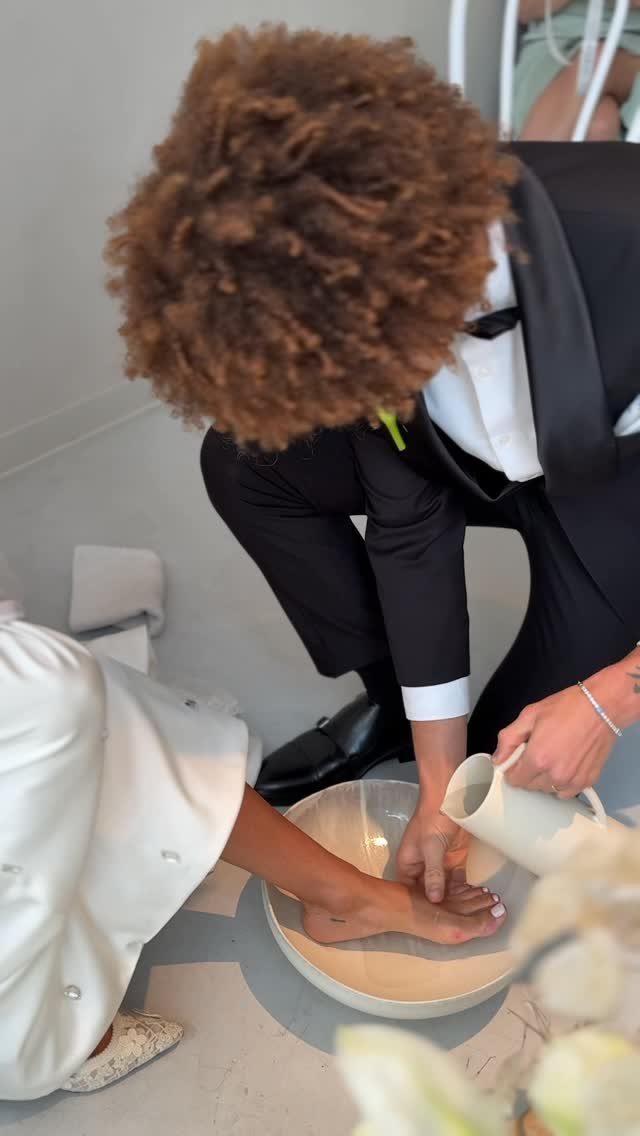
One partner kneels and washes the other’s feet in a basin of water, then they switch. The gesture comes from religious tradition and represents humility, care, and a commitment to serve each other.
You need a basin large enough to fit a foot comfortably, a pitcher of water, and towels.
Some couples add flower petals or essential oils to the water. If you are wearing a long dress, you may need help gathering the hem so it stays dry.
This ritual works best for couples who want a ceremony with spiritual or symbolic depth, and it does require a setup that allows both people to kneel and reach the basin easily.
7. Shot Ski
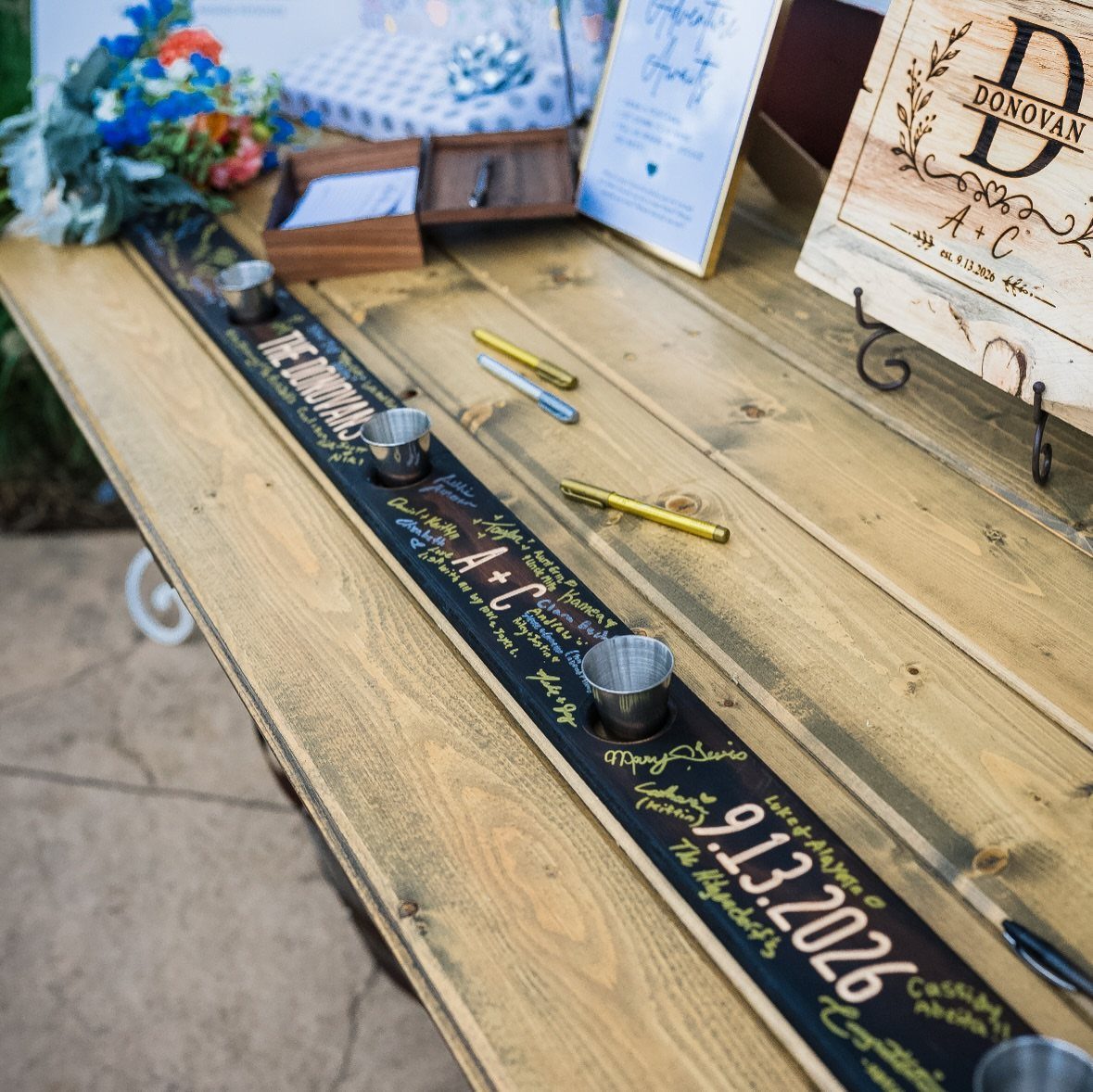
The couple drinks shots together from glasses mounted into a wooden ski. The ski is passed to them during the ceremony, they toast, and both drink at the same time.
You can buy a shot ski ready-made or build one by drilling holes into an old ski and mounting shot glasses into the openings.
Some versions use metal glasses that sit flush with the wood, others use removable glass shot glasses held in place with rubber grommets. Custom engraving adds your names and wedding date directly into the wood.
This suits couples who want a lighthearted moment in the ceremony and do not mind drinking in front of guests.
8. Ring Warming
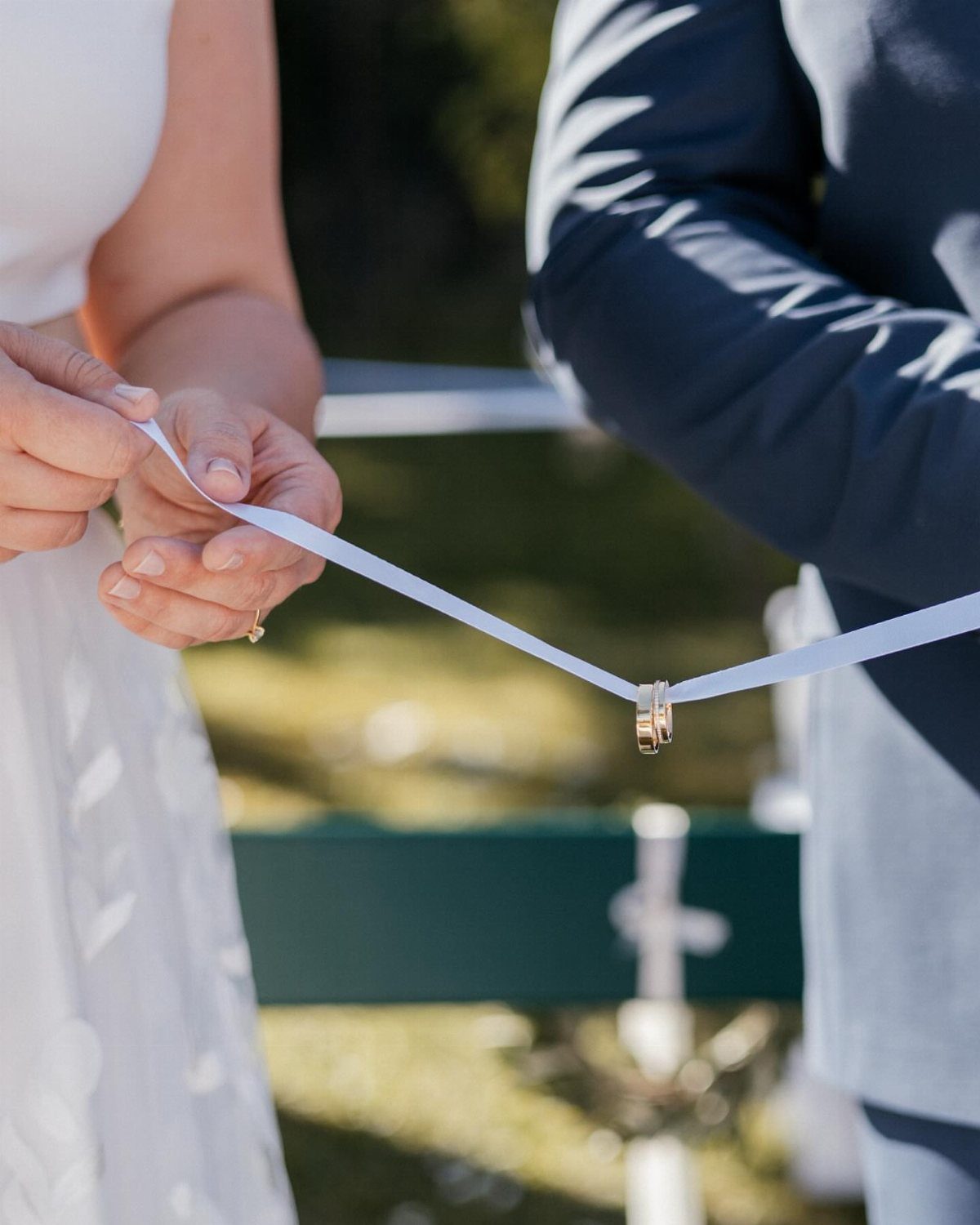
The wedding rings are tied to a ribbon and passed among the guests before the exchange, so each person can hold them for a moment and offer a silent blessing or wish.
The rings return to the couple warmed by the hands and intentions of everyone present.
Use a ribbon long enough to tie the rings securely and still leave enough length for guests to hold.
Silk, satin, or cotton all work. If your guest count is large, you can pass the rings during the prelude or limit the warming to immediate family and the wedding party.
The officiant usually collects the ribbon once the rings come back and unties them for the exchange.
9. Unity Painting
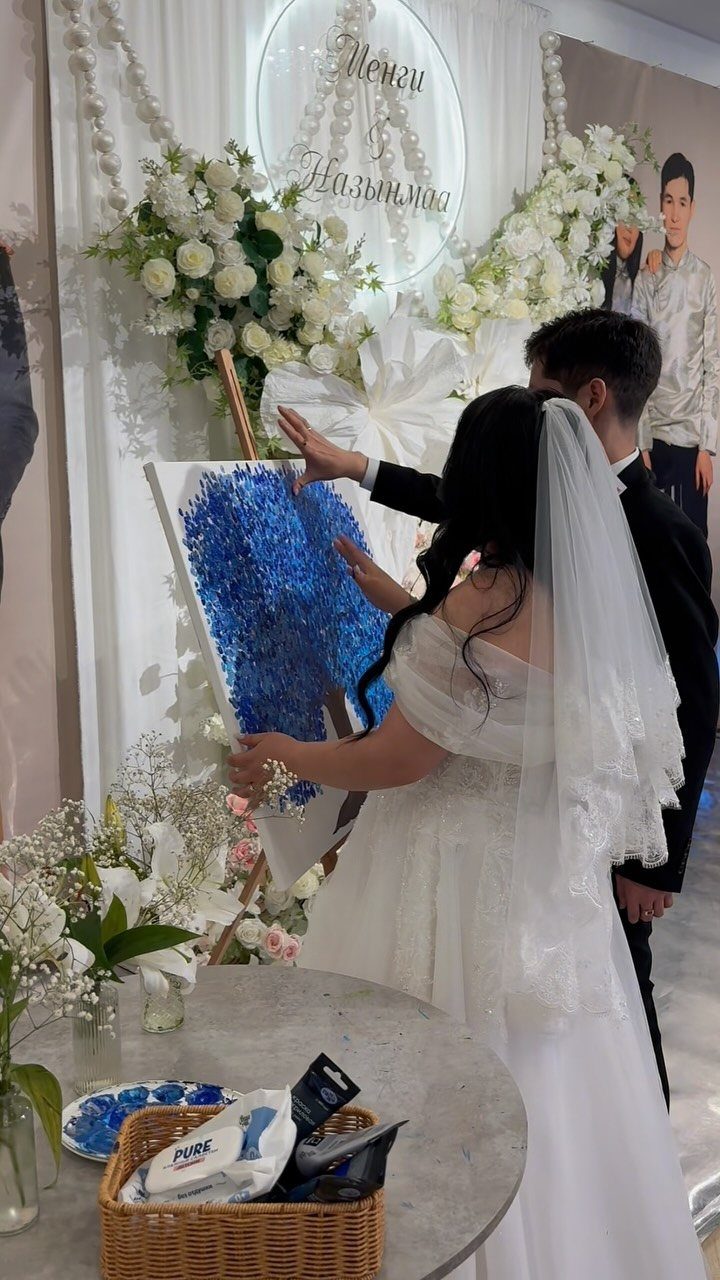
The couple paints together on a canvas during the ceremony, adding color and texture with brushes or their hands. The finished piece goes home with you as a record of the moment.
Set the canvas on an easel within reach of where you will be standing. Use acrylic paint since it dries quickly and does not run.
Some couples start with a blank canvas and build the design together during the ceremony, others use a canvas with a faint outline or masked-off areas so the paint fills in a shape or pattern.
Keep paper towels nearby and wear something over your outfit if the dress or suit cannot handle a stray drip.
10. Unity Wine Ceremony
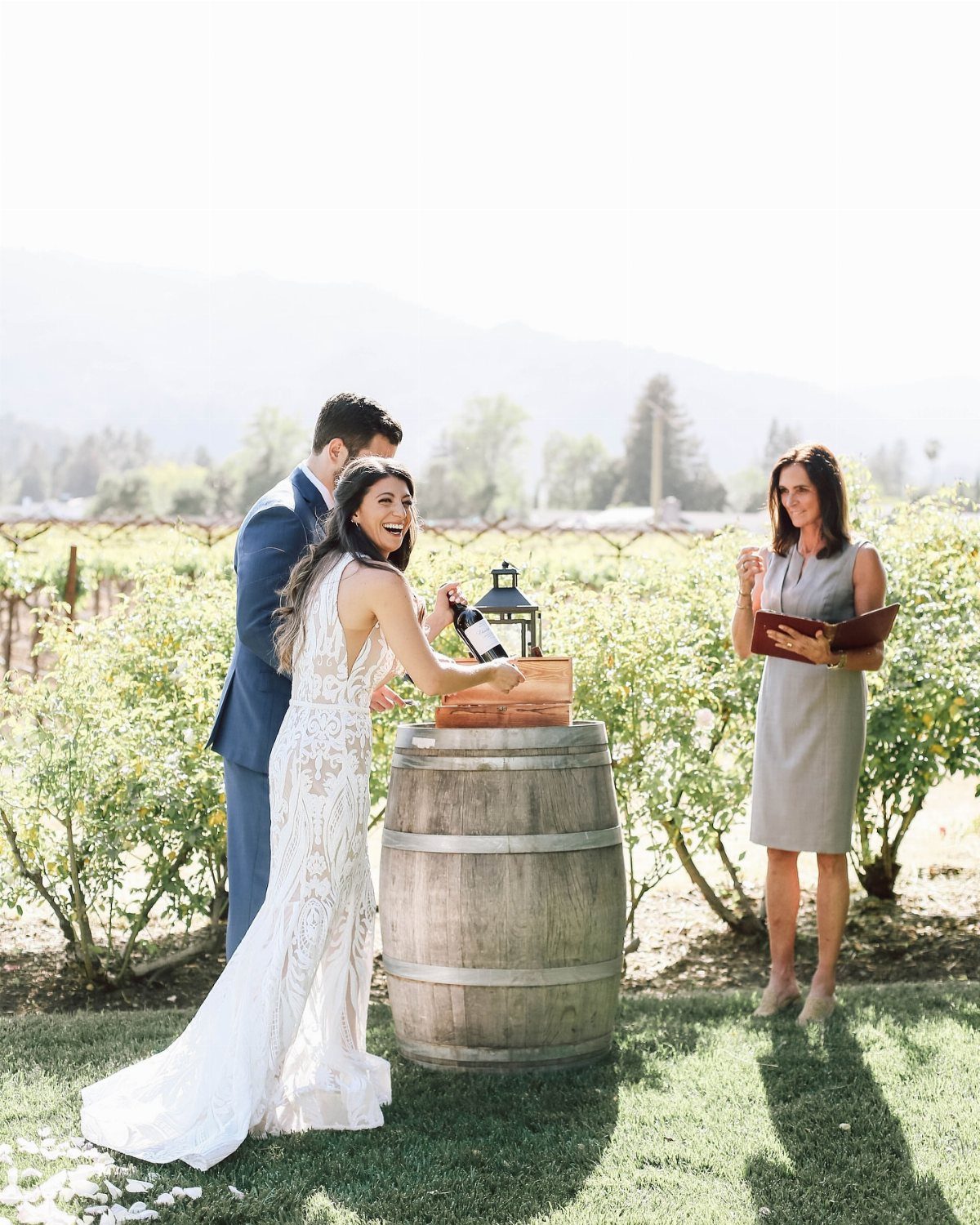
You each pour from a separate bottle into a shared cup, seal the remaining wine in the box with a letter, and open it on a chosen anniversary years ahead.
If you are sealing the box with a lid and nails or screws, bring a small hammer or screwdriver.
Choose a wine that ages well if you plan to wait several years before opening it. This fits vineyard or winery weddings especially well, but works anywhere.
11. Ceremonial Fish Cutting
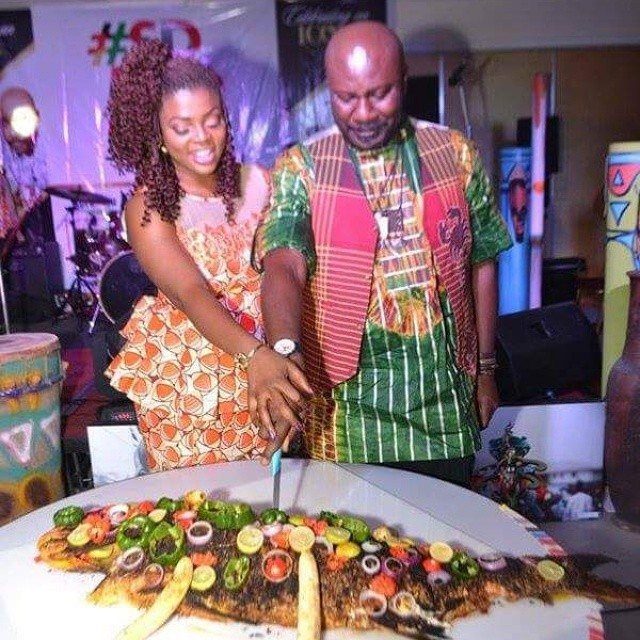
The couple cuts into a large grilled fish together during the ceremony, a gesture that represents abundance, fertility, and the joining of families.
The ritual has roots in West African and some Caribbean traditions, and the fish is often served to guests afterward as part of the meal.
You need a whole fish, usually tilapia, snapper, or another firm white fish, grilled and presented on a platter with garnishes like peppers, onions, and greens.
The couple holds a knife together and makes the first cut, similar to cutting a wedding cake. This suits couples incorporating cultural tradition into the ceremony and needs a reception that follows immediately, so the fish stays warm for serving.
Personalizing the Ceremony
Pick a ritual that reflects how you actually are as a couple, not what a ceremony is supposed to include.
If your family emigrated and you want to honor that heritage, a cultural ritual ties the ceremony to where you came from.
If neither of you is religious and you want something that feels true to your relationship, a modern gesture or one you design with your officiant can work just as well.
The ritual does not need to come from a recognized tradition to belong in your ceremony.
Some couples write their own version based on something they already do together, and the officiant helps shape it into a moment that fits the flow of the vows and readings.
Choosing and Timing a Ritual
Most ceremonies include one unity ritual.
More than that and the ceremony starts to drag, especially if each one requires props or explanation. Pick the one that means the most to you or fits your venue and season without extra setup.
Unity rituals typically happen after the vows and before the ring exchange, but the order can shift depending on the ritual itself and how your officiant structures the ceremony.
Handfasting may come before the vows since the binding of hands can stay in place while you speak.
A toast or shared drink often lands at the end, right before the pronouncement, so it feels like a celebration rather than an interruption.