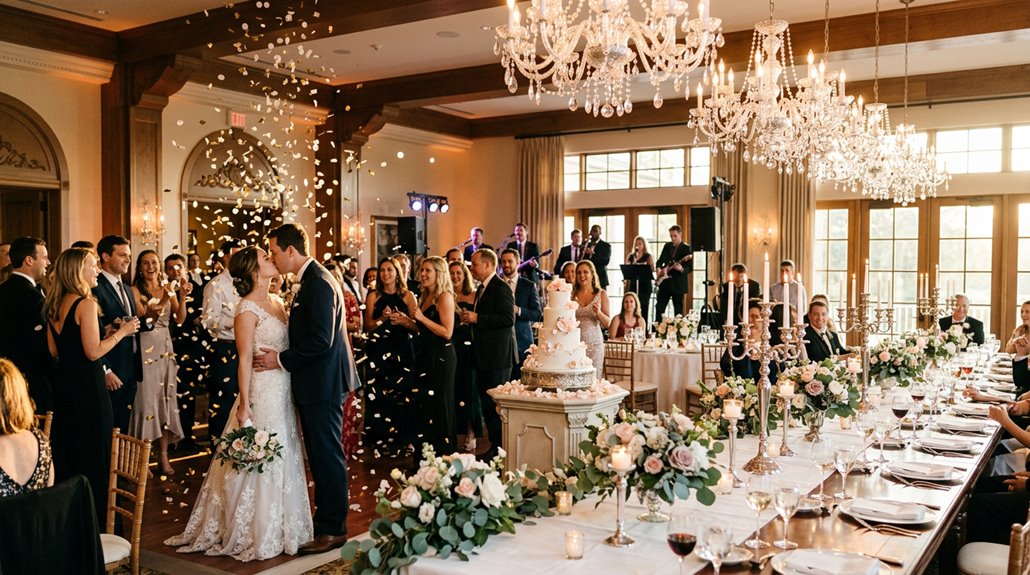
A wedding reception unfolds over approximately five hours, beginning with a cocktail hour of drinks and appetizers.
The grand entrance introduces the wedding party, parents, and newlyweds, followed by the first dance and welcome remarks.
Dinner service precedes coordinated toasts from the best man, maid of honor, and parents, each speaking one to three minutes.
Cake cutting, optional traditions like bouquet tosses, and sustained dancing fill the evening until a final grand exit.
Each segment’s timing and coordination ensures smooth transitions throughout the night.
What Happens at a Wedding Reception: The Complete Timeline
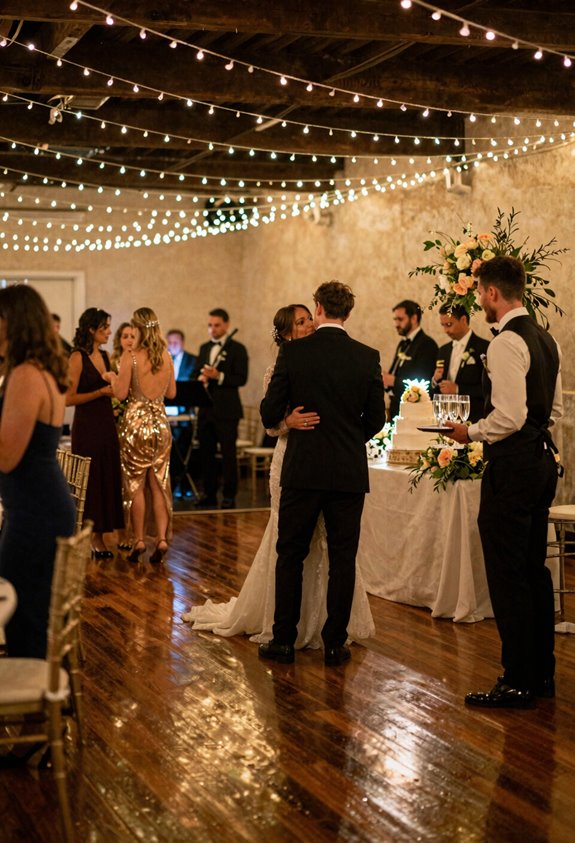
A typical wedding reception unfolds over approximately five hours, beginning immediately after the ceremony concludes. The reception timeline starts with cocktail hour, where guests enjoy appetizers and beverages while you capture photos. The grand entrance follows, introducing the couple amid celebration and energy.
Next comes the first dance, a pivotal moment followed by dinner service. Throughout the evening, parent dances honor family members and create meaningful connections. After dinner concludes, you’ll transition into entertainment and activities including the bouquet toss and cake cutting, each offering guests interactive moments.
The reception continues with sustained dancing and mingling. As the evening draws toward its close, a final grand exit sends you and your guests into the night, concluding the celebration with coordinated send-off logistics.

Perfect Size and Material: The wooden plaque is made of compressed wood, measuring 4x4 inches, while the base is made of wood with dimensions of 4x0.8 inches. Home Office...
Cocktail Hour: Setting the Tone Before Dinner
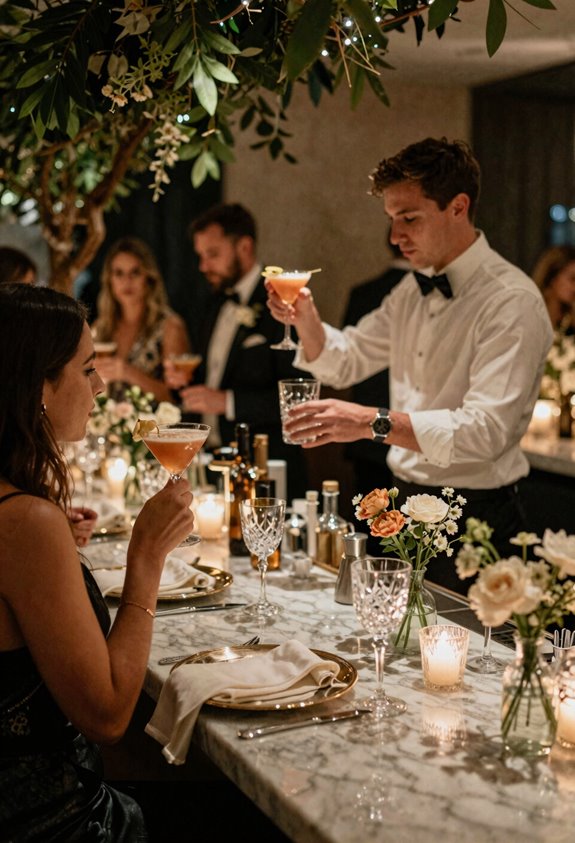
Once your ceremony concludes and photography begins, your guests move into cocktail hour, the first major segment of your reception evening. This roughly 60-minute period offers drinks, hors d’oeuvres, and beverages while guests enjoy mingling and socializing. Your staff service team circulates with passed appetizers and stationary amenities, creating an inviting atmosphere. Meanwhile, you and your wedding party may capture additional photos or begin a brief first-look moment if planned, which minimizes later disruptions to your reception timeline. If your ceremony and reception occur at the same venue, cocktail hour begins immediately; otherwise, travel time adjusts the start. This segment serves as a crucial buffer, guiding guests from ceremony to seating while establishing the evening’s pace and setting the tone for speeches, dances, and celebration ahead.

Gold Chilled Serving Tray and Bow: 4 pieces of gold chilled serving bowls, 2 pieces of gold stainless steel round plates, 2 pieces of stainless steel clips, 2 pieces of salad spoons, 2 pieces of salad forks and 8 pieces of stainless steel fruit forks.Meet most of your needs for serving dips at keep food cold outside party

KEY DETAILS | Dress up any party with the Beaded Service Tray. Trimmed in tasteful beads and adorned with two generous beaded handles, this emulates elegance. Handcrafted from 100% recycled aluminum.
The Grand Entrances: From Wedding Party to Newlyweds
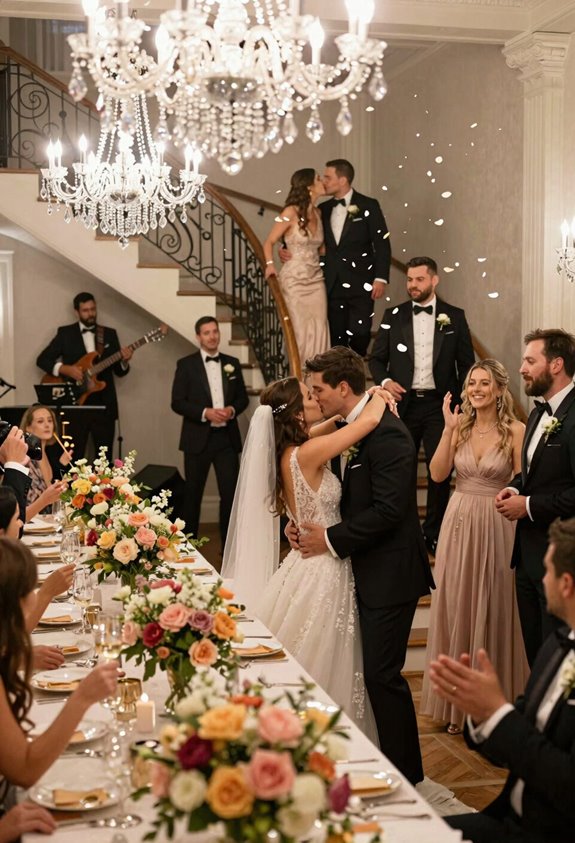
After cocktail hour concludes and your guests settle into their assigned seating, the grand entrance sequence begins. This marks the official shift from social mingling to formal reception programming. Your DJ or emcee coordinates this transition, introducing the wedding party first, followed by parents, then the newlyweds. You’ll choose from naming introductions, traditional announcements, or unique entrance styles that reflect your personality. The newlyweds’ grand entrance stands as a reception highlight, typically accompanied by upbeat music and a first appearance on the dance floor. This carefully orchestrated timing sets the tempo for subsequent events, including the first dance and initial toasts. Clear coordination between you and your DJ ensures smooth ceremony-to-reception flow, managing guest expectations and creating memorable moments that launch your celebration.
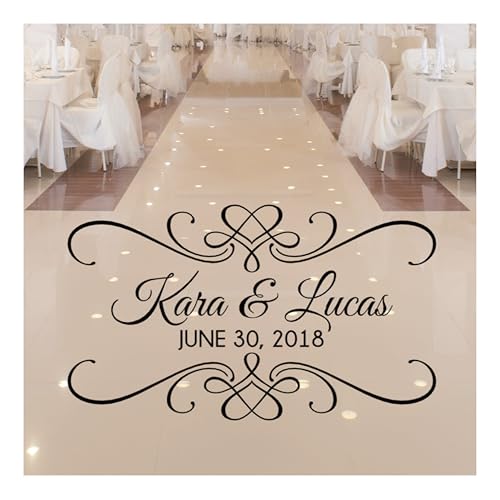
PERSONALIZED FOR YOUR CELEBRATION – Customize your dance floor decal with your names, wedding date, initials, or custom wording to create a beautiful focal point for your reception.

Includes: 1 printed cardstock party sign, designed by Andaz Press. DOES NOT INCLUDE FRAME. Practical Glowstick Wedding Sign Size: This wedding light up sticks sign measures 8.5 x 11 inches and fits standard frames or tabletop stands at reception entry tables; works beside basket stations as grab a glow stick sign wedding display; fits well with other wedding dance floor sign for cohesive display; reliable wedding reception props light up dance floor sign for various setups; can be used beside glow stick holder for wedding containers; complements other white and black wedding signs

➤【Stunning 3D Visual Effects】Combining high-quality tempered glass with infinity mirror panels and LED lighting, this dance floor creates mesmerizing 3D effects that instantly captivate attention. Perfect for weddings, parties, and events, it elevates the visual impact and leaves a lasting impression.
First Dance, Toasts, and Welcome Remarks
After the grand entrances conclude, you’ll embark on three key ceremonial moments that establish your reception’s rhythm: the welcome remarks from hosts or parents, the first dance between you and your partner, and the toasts from your wedding party. These traditions, whether delivered as blessings, danced to meaningful music, or spoken by your Best Man or Maid of Honor, occur in coordinated sequence to maintain pacing and guest engagement. Understanding the typical timing and order of these elements helps you organize your reception flow and ensure each moment receives appropriate attention without disrupting dinner service.

Well Design: Thickened and widened handle, smooth and rounded edges, elegant and modern gold appearance, brings better experience. And the ergonomic handle makes it easier to cut your cake

💎 [Contents] Set includes a 13 inch Serrated Knife and a 10.75 inch Server

Cherished Keepsake: Witness the peak of wedding romance as the couple cuts the cake together. Leave a lasting impression with this exquisite, gleaming wedding cake cutter set. It will become a cherished memento long after the big day!
Welcome Speech and Blessings
How you structure the opening moments of your reception sets the entire tone for the evening ahead. The welcome speech typically follows your first entrance and precedes the first course, establishing your reception timeline. During this moment, hosts thank guests and often share blessings or prayers reflecting religious or cultural traditions. Your welcome remarks align guests with your story and the night’s schedule, ensuring clear guest engagement. These opening speeches and toasts are delivered by hosts, parents, or bridal party members and benefit from strategic timing with wine service or microphone access, allowing speakers to communicate effectively. Blessings or prayers may integrate into the welcome speech itself or stand as separate ceremonial moments. This structured approach transitions guests from formalities toward the first dance and ongoing celebration, creating meaningful connections throughout your reception.
The First Dance Tradition
Once your welcome remarks and blessings have set the reception’s welcoming atmosphere, the first dance marks the official beginning of your celebration’s dancing portion. This cherished tradition typically follows your grand entrance, creating a meaningful moment that your guests witness together. Your DJ or band will coordinate the timing with dinner service to minimize interruptions and maintain reception flow.
The first dance serves several important functions:
- Signals the transition from formal ceremonies to social celebration and dancing
- Provides an intimate spotlight moment for the couple amid joyful guests
- Establishes the reception timeline, often occurring during the first course or immediately after introductions
Toast Order and Timing
What you’ll want to determine early is the precise sequence of speakers and toasts, since they’ll anchor your reception’s flow and directly impact when dinner’s served, when your first dance occurs, and how guests experience the evening’s pacing. The traditional toast order begins with the Best Man, followed by the Maid of Honor, then parents. Each speaker typically lasts one to three minutes. Welcome remarks from hosts or clergy often precede the first toast, establishing an appropriate tone for the meal. Emcee coordination ensures speakers receive proper introductions, timing stays controlled, and guests know when to applaud and settle for transitions. Many couples schedule toasts between courses or before dinner, allowing speeches and dinner service to complement rather than compete for attention.
Dinner Service and Speeches: Timing and Sequence
You’ll embark on dinner service after the first dance, choosing between plated, family-style, or buffet formats that accommodate your timeline and guest experience. Toasts from parents or hosts typically occur during or between courses, with speakers keeping remarks to one to two minutes each for a cohesive flow. Strategic coordination between your emcee, servers, and speakers ensures remarks land at optimal moments between courses or before meals while preserving ample evening time for dancing, dessert, and additional ceremonies.

**Elegant Design**: Our Wedding Sign features a stunning white acrylic design, measuring 7 x 5 inches, perfect for elevating the ambiance of your reception, bridal shower, or any special event, ensuring it stands out as the best in memory.


[Style]: This card stands measures 200 x 280 mm (approximately 8 x 11 inches), a perfect size for clearly visible text and images. It comes with a sturdy paper stand on the back, allowing it to stand easily on a tabletop without the need for additional tools.
Meal Service Formats and Pacing
The rhythm of your reception hinges directly on which dinner service style you select, as plated meals, family-style arrangements, and buffet setups each create distinctly different pacing opportunities for speeches, toasts, and dancing. Your meal service choice fundamentally shapes your entire reception flow and dining timeline.
- Plated dinners enable quicker service and tighter timing, allowing you to schedule speeches and toasts between courses without disrupting momentum
- Family-style arrangements encourage guest interaction and conversation while maintaining a moderate dining pace suitable for integrated entertainment
- Buffet formats streamline meal delivery, reduce overall dining time, and free up space for dancers and guests to move freely
Strategic meal service selection minimizes gaps between dinner, toasts, and dancing. Aligning your chosen format with your desired reception flow keeps guests engaged and maintains energy throughout your celebration.
Toast Order and Speaker Timing
How you sequence your speakers and time their remarks directly shapes whether your reception feels cohesive or fragmented. A skilled emcee or DJ manages this coordination, passing the microphone strategically and keeping each speaker within their 1–3 minute window. The traditional order proceeds from hosts or parents welcoming guests, followed by the maid of honor, then the best man, and finally parents offering closing remarks. A blessing or prayer may bookend the speeches. Timing toasts between courses or after the first course prevents disruption to meal service. Printed agendas or countdown visuals help your audience align their expectations with the actual schedule. This structured approach ensures speeches enhance your celebration rather than derail it, allowing toasts and heartfelt remarks to flow naturally throughout your reception.
Parent Dances and Opening the Dance Floor
Once dinner concludes and the evening shifts into celebration mode, parent dances typically commence around 8:15 p.m., guided by the emcee’s coordination. These meaningful moments honor family bonds through classic pairings:
- Father-daughter dance, celebrating paternal connections and creating lasting memories
- Mother-son dance, acknowledging maternal relationships within your reception entertainment
- Opening dance floor activities featuring high-energy performances from your DJ or band
Following parent dances, you’ll open the dance floor to re-energize guests and signal ongoing celebration. The emcee introduces your DJ or band, creating a lively, inclusive atmosphere that transitions attendees from dining to dancing. About 45 minutes into the dance set, you’ll schedule the bouquet garter toss as a timed activity. This structured timing ensures your couple and wedding party remain visible on the floor, maintaining momentum throughout your reception.

GREAT VALUE: Ample 4-Tray pack ensures convenience, perfect for gatherings or daily use. Never run out of food trays for party buffet, stay prepared to serve with ease. Enjoy flexibility and style with this convenient supply.

Large Seafood Cold Platter: designed specifically for serving shrimp cocktails, seafood salads, and cold vegetable platters; You will receive 1 stainless steel Serving Trays ( 10.24 inches in diameter, 0.87 inches deep) and 1 separate double walled insulated ice bowl ( 9.84 inches in diameter, 3.35 inches high); Suitable for family gatherings, restaurants, bars, and banquets

Removable 3 Layer Tray: Our serving tray includes a top lid to keep food clean, a six-compartment appetizer tray for various dips, vegetables, fruits, cheese, and more, and a bottom ice tray for crushed ice to keep everything fresh
Cake Cutting, Optional Traditions, and Party Mode
As your dance floor fills with energy and guests settle into celebration mode, you’ll schedule cake cutting around 9:45 p.m., roughly an hour before your reception concludes. This timing allows you to capture stunning photos without interrupting the dancing momentum you’ve built throughout the evening.
| Timeline Event | Timing | Purpose |
|---|---|---|
| Cake Cutting | 9:45 p.m. | Photo opportunity, dessert service begins |
| Optional Traditions | 45 minutes into dancing | Bouquet and garter toss (optional) |
| Party Mode | Throughout evening | High-energy dancing with DJ or band |
You can embrace optional traditions like bouquet and garter toss or omit them entirely based on your preferences. Dessert service follows cake cutting, with coffee and dessert amenities keeping guests engaged. Your final hours include a last dance around 10:50 p.m., concluding your reception with a memorable grand exit that leaves everyone celebrating your commitment.

Light up Your Wedding Reception: create an unforgettable wedding night with these LED foam sticks; Suitable for wedding receptions, dance floors, grand entrances, and glowing wedding send offs that guests will love

Elegant damask ornament design personalized with the bride and groom's names and wedding date to create a stunning focal point for your wedding reception and dance floor.

Includes: 1 printed cardstock party sign, designed by Andaz Press. DOES NOT INCLUDE FRAME.
How to Keep Guests Engaged Throughout the Night?
What separates a memorable reception from a forgettable one often comes down to intentional pacing and thoughtful activity sequencing. You’ll keep your guests invested by strategically alternating entertainment and dining throughout the evening.
Consider these essential elements for sustained guest engagement:
- Coordinate transitions – A skilled emcee or DJ announces each activity, cuing dances and managing timing to eliminate awkward lulls between dinner, speeches, and dancing segments.
- Balance activities strategically – Intersperse high-energy dances with quieter moments like cake cutting, parent dances, and bouquet toss to maintain momentum without overwhelming guests.
- Customize your playlist – Tailor music selections across age ranges, blending crowd-pleasers with couple favorites while maintaining comfortable sound levels for all attendees.
Personal table visits, photo opportunities, and brief thank-you moments from the couple foster hospitality and deepen connections throughout your reception.

[RUSTIC WEDDING DECOR STYLE] - Elevate your reception with these beautiful wedding decorations. The lace and burlap wrapped handles with ribbon flowers offer a vintage grip and ensure a smooth cake-cutting experience. A charming wedding registry must-have.

Well Design: Thickened and widened handle, smooth and rounded edges, elegant and modern silver appearance, brings better experience. And the ergonomic handle makes it easier to cut your cake

Vintage silver cake knife and server. This sturdy and vibrant cake utensil is suitable for wedding day, anniversaries, birthdays or shower parties, and will add an elegance style to your party setting. Copyright Number: VA 2-335-358
Planning Your Reception Timeline: Key Coordination Steps
How you structure your reception timeline determines whether the evening flows smoothly or stumbles through awkward gaps and rushed moments. Work backward from your end time, building in cushions for cocktail hour, toasts, and the reception entrance. Start with approximately sixty minutes for cocktail hour after the ceremony, then move to seating, entrances, and first dance to establish momentum.
Coordinate closely with your DJ, caterer, and venue planner to tighten transitions between events. Share your finalized wedding reception timeline with all vendors and key VIPs well in advance, ensuring everyone understands the seating plan and grand exit strategy.
Plan end-of-night tasks thoroughly, whether you will feature sparklers, bubbles, or another grand exit. This vendor coordination prevents confusion and ensures a cohesive evening for your guests.

【Multiple Working Modes】U`King stage par light(Corded Electric) consists of 36 high-quality 36x1W LED lamp beads. There are 5 control modes on our dj lights: remote control, sound-activated, DMX 512, automatic, master-slave

✅PROTABLE DJ PARTY LIGHTS - Rotating disco ball light*2, rgb par light*2, and comes with with a foldable/ detachable/ retractable tripod stand, easy to set up and tear down in minutes, great lighting system for parties with vivid colors, perfect lighting solution for the mobile band/ wedding/ DJ/ stage.

Dynamic RGB Color Mixing for Every Occasion - Transform any event with vibrant, full-spectrum lighting using 36 RGB LEDs. Experience smooth color transitions and stunning hues, perfect for creating the right atmosphere for parties, concerts, and performances