When addressing wedding invitations, you’ll use two envelopes: an outer envelope with formal titles and full names, and an optional inner envelope with a warmer, less formal tone. For married couples sharing a last name, write both first names on the outer envelope; for different last names, list each person’s full name on separate lines. Single guests receive their preferred title and full name, while plus-ones go on the inner envelope as “and Guest” if unnamed. Maintain consistent capitalization, spell out state names, and place your return address on the flap without names. Proper envelope addressing prevents common mistakes like mismatched titles or missing guests. Additional considerations include nuanced approaches for various relationship structures and modern preferences.
Outer vs. Inner Envelopes: What’s the Difference?
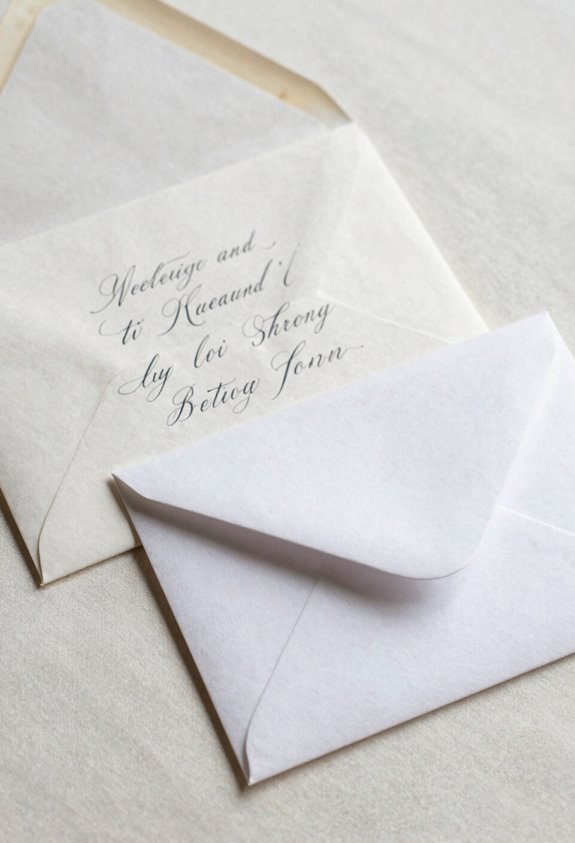
Understanding envelope layers helps you navigate wedding invitation etiquette with confidence. The outer envelope serves as the formal presentation, displaying the recipient’s full name alongside appropriate courtesy titles. This outer layer sets the tone for your entire invitation suite. The inner envelope, while optional, offers flexibility for a slightly less formal approach to addressing. You might omit certain details or use familiar names when addressing closer guests on the inner envelope. Both envelopes should maintain consistency in style and formality level throughout your invitation set. When addressing outer envelopes, include complete names and titles for all invited individuals. Inner envelopes can accommodate a more relaxed tone while still respecting your guests. This two-envelope system allows you to balance tradition with personal preference, creating an inviting presentation that welcomes your guests warmly.
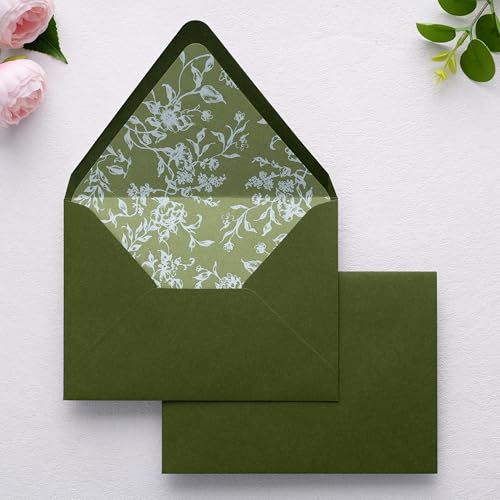
💌 Package included: 50 pieces luxury A7 gold foil liner euro flap envelopes + 50 Gold Seals. Add a touch of timeless elegance to your special events with our Euro Flap Envelopes with Gold Floral Liner!
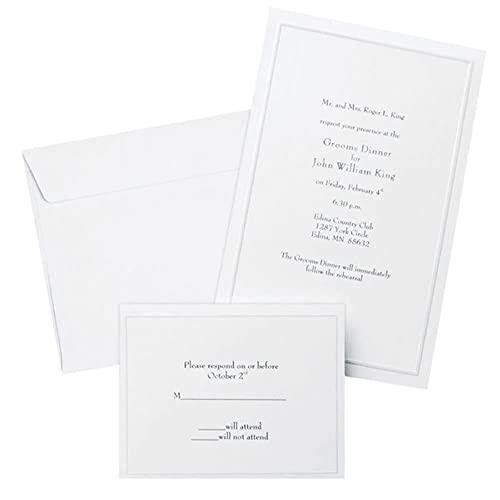
Give your special day the significance it deserves with the classic and pristine design of our convenient print at home invitations and response cards
Addressing a Single Guest
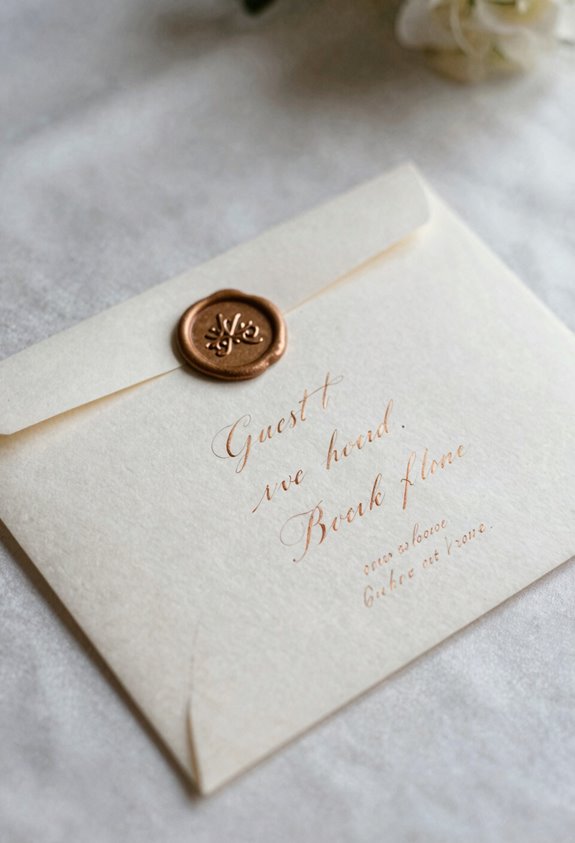
When addressing a single guest, select their preferred title—Mr., Ms., Dr., or another designation—and place their full name centered on the outer envelope for clarity and formality. If your guest brings a plus-one and you have their information, include both names on the outer envelope; otherwise, address only the confirmed guest. The inner envelope offers more flexibility, allowing you to simplify the presentation by listing just the guest’s name or first name only, creating a warmer, less formal tone than the outer envelope requires.

Package including: 4 different design styles letter addressing template, including: 4 same lines,4 different size lines, 5 different size lines, 2 columns with 4 same lines,suitable for your different needs

This set include 180pcs : 30 pcs 5x7inch wedding invitations, 30pcs 5.3x7.6inch self seal envelopes, 30pcs vellum wraps, 30pcs 5x3.5inch RSVP cards with 30pcs 5.4x3.9inch self seal envelopes and 30pcs pre-made wax seal stickers.

[PEARL EMBOSSED BORDER] A single pearl foil border frames each ivory card, creating a framed look that reads formal without competing with your wording
Preferred Title Selection
Your title selection depends on what you know about the guest’s preferences and professional status. If the guest holds a professional title like Doctor or Judge, include it on the outer envelope (Dr. Jane Smith or Judge Robert Johnson). When you’re uncertain about preferred titles, omit them entirely rather than risk mislabeling someone.
For guests who prefer gender-neutral options, consider using Mx. or simply their full name without any title. This approach respects their identity while maintaining formality.
If the guest has a plus-one whose name you don’t know, address only the primary guest on the outer envelope. You’ll add “and Guest” on the inner envelope later. This straightforward approach ensures respectful, accurate addressing throughout your invitation process.
Plus-One Envelope Placement
What distinguishes proper plus-one addressing from standard guest notation is understanding where each name appears across your invitation’s envelopes. The outer envelope should display only the invited guest’s name, keeping the presentation clean and formal. On the inner envelope, you’ll indicate the plus-one by writing the guest’s name followed by “and Guest,” clarifying who’ll accompany them. If you’ve explicitly invited a couple together, both names belong on the outer envelope, clearly connected through proper formatting. The RSVP envelope should mirror this naming pattern for consistency throughout your invitation suite. This plus-one envelope placement approach maintains etiquette while communicating expectations clearly to your guests, ensuring everyone understands their invitation status and amenities from the moment they open your thoughtfully addressed envelopes.
Inner Envelope Simplification
Streamlining your inner envelope for a single guest offers a departure from the formality of the outer envelope, allowing you to present essential information without unnecessary repetition. The inner envelope requires only the guest’s name with an appropriate title, such as Mr., Mrs., or their full name. You needn’t include the street address, city, state, or zip code on this envelope layer. This simplified approach maintains consistency with your outer envelope’s style while reducing visual clutter. Consider your guest’s preferences when selecting titles, opting for informality if the relationship warrants it. Using just a first name creates an inviting, personal touch. The inner envelope lets you balance wedding formality with genuine hospitality, welcoming each guest warmly.
Addressing Married Couples With the Same Last Name
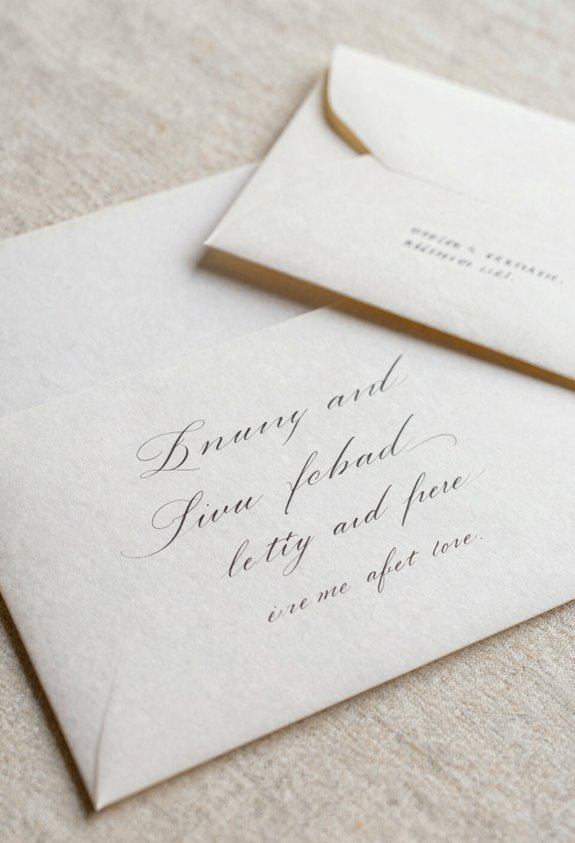
Married couples who share a last name offer straightforward options for envelope addressing. Clarify both spouses’ first names on the outer envelope to ensure clarity and personalization. Examples include “Mr. John and Mrs. Samantha Rivera” or “Mr. and Mrs. John Rivera,” both maintaining formality while honoring each person’s identity. The inner envelope allows for simplified options like “Mr. and Mrs. Rivera” or simply “John and Samantha,” depending on your comfort level and guest preferences. You may also omit titles entirely on the inner envelope for a softer tone. This approach balances traditional formality with modern sensibilities, ensuring your guests feel individually recognized while maintaining the elegant aesthetic your wedding requires.

PERFECT FOR ALL OCCASIONS: If you’re looking for an envelope for baby shower invitations, wedding invitations, holiday cards, pregnancy announcements, RSVPs, thank-you cards, and more, our A7 LUX Paper envelope is an excellent option. These square flap envelopes are also perfect for direct mail, letters, postcards, and 5” x 7” photos so you can depend on them for all your special mailing needs.

PERFECT FOR ALL OCCASIONS: If you’re looking for an envelope for baby shower invitations, wedding invitations, holiday cards, pregnancy announcements, RSVPs, thank-you cards, and more, our A7 LUX Paper envelope is an excellent option. These square flap envelopes are also perfect for direct mail, letters, postcards, and 5” x 7” photos so you can depend on them for all your special mailing needs.
PERFECT FOR ALL OCCASIONS: If you’re looking for an envelope for baby shower invitations, wedding invitations, holiday cards, pregnancy announcements, RSVPs, thank-you cards, and more, our A7 LUX Paper envelope is an excellent option. These square flap envelopes are also perfect for direct mail, letters, postcards, and 5” x 7” photos so you can depend on them for all your special mailing needs.
Addressing Married Couples With Different Last Names
When both spouses have retained their own surnames, list each person’s full name and title on the outer envelope to honor their individual identities. This approach respects modern naming conventions while maintaining formality appropriate for wedding invitations. Addressing couples with different last names requires thoughtful consideration of preferences and traditions.
- List names alphabetically by last name on outer envelope
- Include titles (Ms., Mr., Dr.) before each full name
- Use formal format: “Ms. Celine Elgin and Ms. Jacqueline Purcell”
- Alternative minimal format omits titles if preferred by couple
- Inner envelope uses surnames only: “Ms. Elgin and Ms. Purcell”
The inner envelope provides clarity through surname-only listings. This dual-envelope approach accommodates diverse naming situations while maintaining elegant, traditional formatting standards.
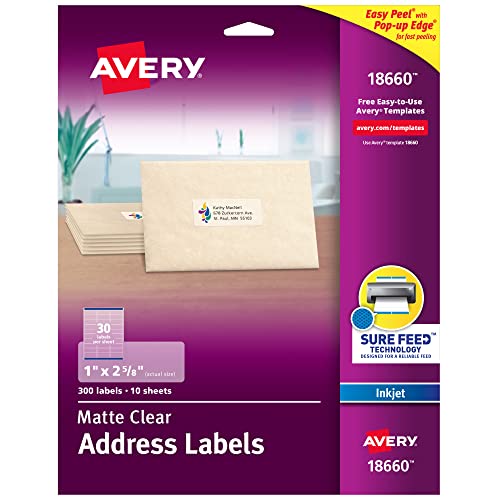
Create a Seamless Look: Frosted clear labels blend beautifully on white and light-colored envelopes, vellum, glassine, frosted glass, and more for an elegant printed-on finish

Enjoy a printed-on look with frosted clear address labels that virtually vanish on white and light-colored envelopes, textured paper vellum, glassine white plastic and frosted glass

QUANTITY: The quantity starts at 72 labels. You can select larger quantities (with a lower cost per label) after clicking "Customize Now"
Addressing Unmarried Couples
When addressing unmarried couples, list both individuals’ full names on the outer envelope, such as Mr. Aaron Triguiero and Mr. Gabriel Reyes, then repeat their surnames on the inner envelope for consistency. You can arrange the names alphabetically by last name or place the person you know best first, depending on your preference and relationship dynamics. Ensure both guests’ names appear identically on the RSVP card to prevent confusion and maintain accurate correspondence with your invitation records.

Outer Envelope Formatting Guidelines
How should you approach addressing an unmarried couple on a wedding invitation.
When addressing envelopes for unmarried couples, clarity and respect guide your formatting choices. Present both names prominently on the outer envelope, ensuring neither guest feels secondary. Consider these formatting approaches:
- Place both full names on separate lines when addressing envelopes
- Use titles consistently (Mr., Ms., Mx.) for both recipients
- List names alphabetically if the couple maintains equal closeness with you
- Include complete surnames when partners don’t share a last name
- Maintain formal presentation without combining surnames artificially
This approach acknowledges modern relationships while honoring traditional envelope etiquette. The outer envelope becomes your first opportunity to demonstrate thoughtfulness and set a welcoming tone for your celebration.
Inner Envelope Name Order
What’s your approach to the inner envelope when you’ve already established both names on the outer one? Consistency remains essential for clarity and proper addressing conventions. You’ll want to list each partner on separate lines, maintaining the formal structure that distinguishes the inner envelope’s purpose. If you’ve written Mr. Aaron Triguiero and Mr. Gabriel Reyes on the outer envelope, the inner envelope should read Mr. Triguiero on the first line and Mr. Reyes on the second. This separation provides guests with clear individual recognition while preserving the couple’s equal hosting status. When last names differ, such as Ms. Elgin and Ms. Purcell, you’ll apply the same principle across both envelopes. This methodical approach ensures your stationery reflects thoughtfulness and adherence to traditional addressing conventions, creating a polished presentation throughout your invitation suite.
Alphabetical Versus Proximity Listing
Once you’ve established the inner envelope format, you’ll need to determine the order for both names on your outer envelope. When addressing an unmarried couple, you have two reliable approaches for organizing their names. Consider which method feels most natural for your situation and guest list.
- Alphabetical order by last name creates a neutral, organized approach
- Proximity to the host prioritizes the person closest to you
- Living arrangements may influence ordering if one partner is significantly closer
- Equal closeness calls for alphabetical sequencing to avoid appearance of favoritism
- Stated preference should always supersede conventional ordering methods
Whichever approach you select, ensure both individuals receive equal respect on the envelope. Reflect each person’s preferred naming style without assuming shared surnames. Your ordering choice communicates consideration and acknowledges both guests as valued invitees.
Addressing Families With Children
When families with children receive your wedding invitation, the outer envelope presents parents or guardians as the primary recipients, while the inner envelope, if you’re using one, introduces each child by name.
| Element | Outer Envelope | Inner Envelope |
|---|---|---|
| Parents/Guardians | Listed as primary recipients | Optional reference |
| Children Under 18 | Omitted from outer envelope | Listed by full name |
| Titles | Use Mr. and Mrs. for adults | Miss for girls; Mr. optional for boys under 16 |
Addressing families with children requires listing both parents’ names on one line for the outer envelope to establish clear invitation recipients. The inner envelope then names each child individually, ensuring no child feels excluded from your celebration. This approach clarifies your guest list, shows respect for family units, and indicates that you have considered each member of the household.
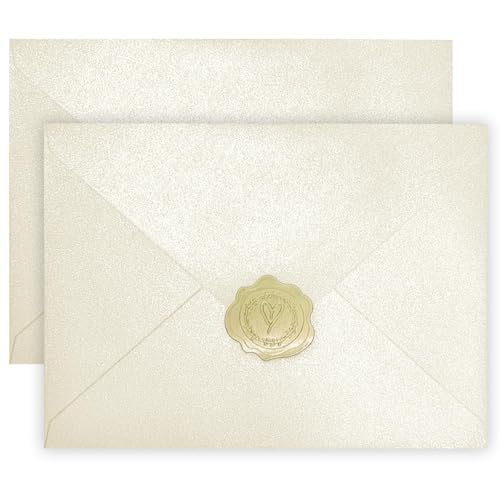
Package include:Coming with 50 packs of A7 pearl paper envelopes with 50 gold Stickers. They add such a wonderful touch of sparkle and shimmer! Just like a little star, elegant and dreamy.

💌 Package included: 50 pieces luxury A7 gold foil liner euro flap envelopes + 50 Gold Seals. Add a touch of timeless elegance to your special events with our Euro Flap Envelopes with Gold Floral Liner!
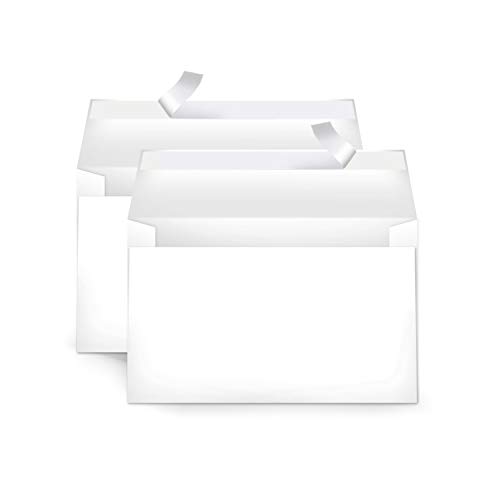
Invitation envelopes; ideal for mailing computer-generated wedding, birthday, or other special event invites
When and How to Include Professional Credentials
How you address guests with professional titles depends on their preference, the formality of your event, and whether you’ve confirmed their desired form. Including credentials on envelopes demonstrates respect while maintaining appropriate etiquette for your celebration.
Consider these guidelines:
- Use full credentials on outer envelopes when guests hold doctorates, medical degrees, or legal titles and prefer formal recognition
- Simplify credentials on inner envelopes by using shortened forms like “Dr. Barker” to soften formality while honoring their status
- For couples with differing titles, list each credential on respective lines to maintain clarity and consistency
- Prioritize guest preferences over assumptions; when unsure about desired forms, omit credentials entirely
- Avoid forcing credentials if guests haven’t indicated preference. This ensures comfort and authenticity throughout your invitation process

Size :A6 Invitation Envelopes (4 3/4 x 6 1/2) with Peel & Seal

Perfect tool for Addressing Envelopes:The Letterings stencil is a clear plastic guide that has perfectly spaced lines to help center your address and keep all letters identical in sizing. Envelope addressing, the letter, wedding invitations, Christmas cards, handwriting designs, etc. You can DIY name, address, Zip Code, greetings.

Comprehensive Addressing Aid: This set includes 4 uniquely styled stencil templates designed to fit popular envelope sizes like B6, DL, ZL, and C5, making your envelope addressing neat and consistent every time
Addressing Divorced or Separated Women
What’s the proper way to address a divorced or separated female guest on your wedding invitation?
When addressing divorced women, your approach depends on her current name preference. If she kept her married name, use Ms. [Married Name] or Mrs. [Married Name], with Ms. being the preferred option. Should she revert to her maiden name, address her as Ms. [Maiden Name].
For separated women, tradition suggests using Mrs. since she remains legally married. However, the most respectful approach involves tailoring your addressing to match her personal preference and comfort level.
Consider skipping courtesy titles altogether if she or the couple prefers informality. Simply use her full name instead. This modern approach demonstrates thoughtfulness and respect, ensuring your invitation reflects how she identifies herself today.

PERFECT FOR ALL OCCASIONS: If you’re looking for an envelope for baby shower invitations, wedding invitations, holiday cards, pregnancy announcements, RSVPs, thank-you cards, and more, our A7 LUX Paper envelope is an excellent option. These square flap envelopes are also perfect for direct mail, letters, postcards, and 5” x 7” photos so you can depend on them for all your special mailing needs.

PERFECT FOR ALL OCCASIONS: If you’re looking for an envelope for baby shower invitations, wedding invitations, holiday cards, pregnancy announcements, RSVPs, thank-you cards, and more, our A7 LUX Paper envelope is an excellent option. These square flap envelopes are also perfect for direct mail, letters, postcards, and 5” x 7” photos so you can depend on them for all your special mailing needs.

PERFECT FOR ALL OCCASIONS: If you’re looking for an envelope for baby shower invitations, wedding invitations, holiday cards, pregnancy announcements, RSVPs, thank-you cards, and more, our A7 LUX Paper envelope is an excellent option. These square flap envelopes are also perfect for direct mail, letters, postcards, and 5” x 7” photos so you can depend on them for all your special mailing needs.
Capitalization, Titles, and Punctuation Standards
You’ll want to master formal title conventions and punctuation rules to ensure your envelopes convey the proper respect and formality your wedding deserves. Proper capitalization, using title case for names and courtesy titles, spelling out state names in full, and avoiding postal abbreviations creates a polished, traditional appearance that guests will appreciate. Punctuation should remain minimal and consistent throughout, with titles like Mr., Mrs., and Dr. appearing without periods to maintain a clean, elegant aesthetic across all your outer envelopes.

WEDDING RETURN ADDRESS LABELS - Personalize the labels with your own custom text. Perfect for adding your name and return address to letters, cards, gifts, invites, wedding invitations, thank you cards and other types of mailing envelopes!
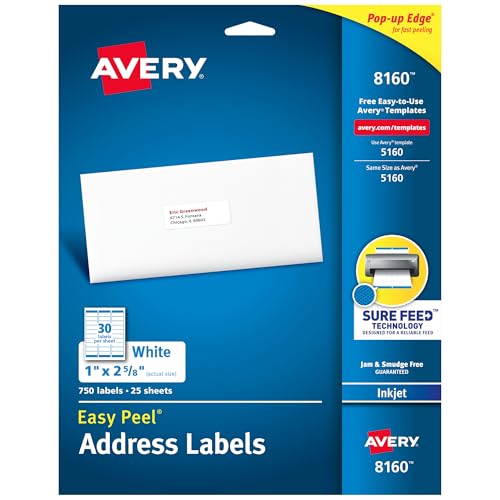
These versatile rectangle labels are great for mailing and shipping, product labels, organization, identification, and much more

PERSONALIZED RETURN ADDRESS LABELS - Personalize the labels with your own custom text. Perfect for adding your name and return address to letters, cards, gifts, wedding invitations and other types of mailing envelopes!
Formal Title Conventions
Addressing wedding invitation envelopes correctly requires understanding the established standards for titles, capitalization, and punctuation that convey respect and formality to your guests.
You’ll want to complete this task with precision, ensuring each address reflects the formality your celebration deserves. Proper title usage demonstrates thoughtfulness and helps your guests feel welcomed.
- Spell out titles completely (Mr., Mrs., Ms., Dr., Mx.) with appropriate capitalization and punctuation
- Place multiple titles on separate lines for clarity and visual organization
- Omit titles when guests prefer names without formal designations
- List couples with different last names individually with their own titles and full names
- Use gender-neutral Mx. following standard capitalization and punctuation conventions
These conventions create consistency across all addresses. Your attention to these details ensures guests receive invitations reflecting the formality and care you’ve invested in your wedding planning process.
Punctuation and Formatting Rules
Proper punctuation and capitalization transform envelope addresses into polished, formal presentations that reflect your wedding’s tone and respect for guests. Addressing etiquette requires consistency throughout your invitations, establishing a cohesive visual standard that elevates the entire stationery suite.
Capitalize all parts of names, titles, and street names fully. Use periods after abbreviated titles like “Mr.” and “Dr.” on outer envelopes, maintaining formality. Street addresses should spell out words like “Street” and “Avenue” rather than abbreviating them, creating an elegant appearance.
On inner envelopes, you can relax slightly by using title-and-surname format only. Omit periods after titles here for a streamlined look. Ensure consistent punctuation across all envelopes, treating each invitation as part of a unified presentation. This attention to detail demonstrates thoughtfulness toward your guests and establishes the sophisticated standard your celebration represents.
Return Address and RSVP Card Formatting
How the return address and RSVP envelope are formatted directly affects whether guests’ responses reach you on time. Addressing envelopes properly ensures your invitation set functions as a cohesive unit that guides guests through the response process smoothly.
When formatting these critical components, you’ll want to:
- Place your host address on the return flap without including your name
- Pre-address and stamp the RSVP envelope with the recipient’s name for proper delivery
- Match the recipient’s name on the RSVP envelope to the outer invitation’s guest line
- Maintain consistent formatting and etiquette between your outer envelope and RSVP card
- List “and Guest” on the RSVP envelope if your guest’s plus-one remains uncertain
This systematic approach ensures responses arrive promptly and efficiently, streamlining your guest management throughout the planning process.
Common Addressing Mistakes
Even small errors in envelope addressing can create confusion, hurt feelings, or cause invitations to go astray. Avoid common pitfalls when applying addressing etiquette to your invitations.
Outdated titles like Mrs. for divorced women who prefer Ms. show inattention to your guests’ preferences. Listing only last names or omitting courtesy titles altogether violates cultural expectations and appears impersonal. Inconsistencies between outer and inner envelopes, such as using full names on one but abbreviations on the other, undermine your professionalism.
Additionally, forgetting to include all invited parties or misordering names on couples’ invitations creates ambiguity about who’s actually welcome. Mishandling plus-ones, whether by writing vague “and Guest” without names or failing to clarify authorization, leaves guests uncertain about bringing companions.
Verify names, titles, and guest counts to prevent these mistakes from affecting your event.
Plus-Ones and Unknown Guests
One of the trickiest aspects of addressing wedding invitations involves handling plus-ones and guests whose names you don’t yet know. Wedding envelope addressing requires thoughtful consideration when confirming attendees.
Addressing wedding invitations with unknown plus-ones requires thoughtful consideration and strategic envelope planning for clarity.
When managing plus-ones and unknown guests, use these practical approaches:
- Include both confirmed guests’ names on outer envelopes, listing each name on separate lines
- Address invitations to the primary guest only when plus-one details remain uncertain
- Note “and Guest” on inner envelopes for unconfirmed companions
- Avoid assuming titles or names for unfamiliar attendees; use full names with preferred titles when available
- Consider generic “Guest” phrasing on outer envelopes with specific details clarified on RSVP cards
This strategy prevents misaddressing while maintaining clarity throughout your invitation process. Consistency across all envelopes accommodates uncertainty without sacrificing accuracy.