
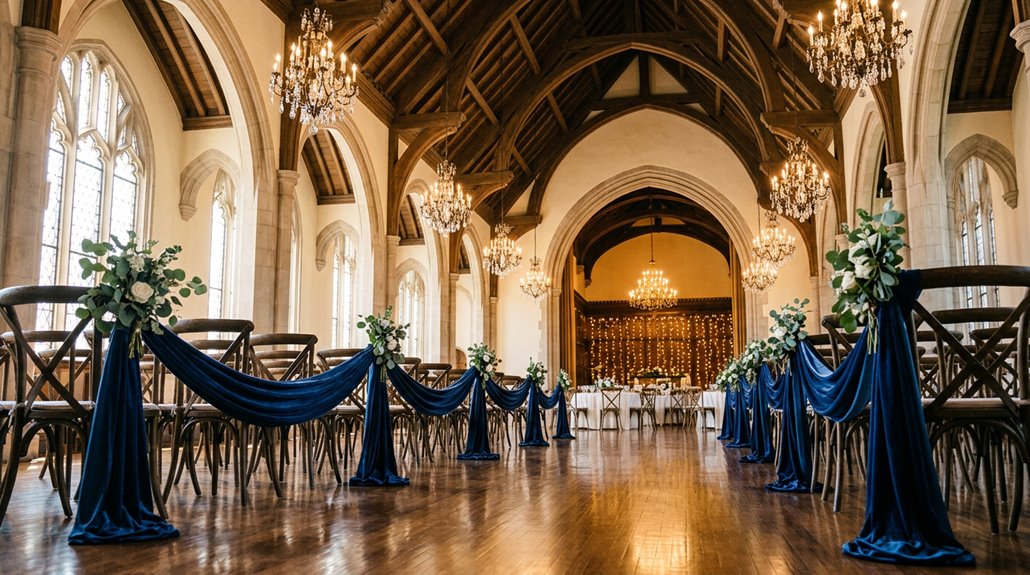
Book your wedding venue 12–18 months in advance, particularly during peak season from May through October when popular venues fill quickly. This timing secures your preferred date before competition intensifies, allows vendors adequate coordination time, and unlocks better pricing through advance reservations.
Booking beyond 24 months may prove premature, while waiting under six months limits options significantly. A 25–50% deposit formalizes your reservation with written confirmation, protecting your date.
Understanding deposit terms, cancellation policies, and included amenities before signing ensures you have clear documentation of your contractual obligations and financial protections.
Book Your Venue 12–18 Months Ahead: Here’s Why
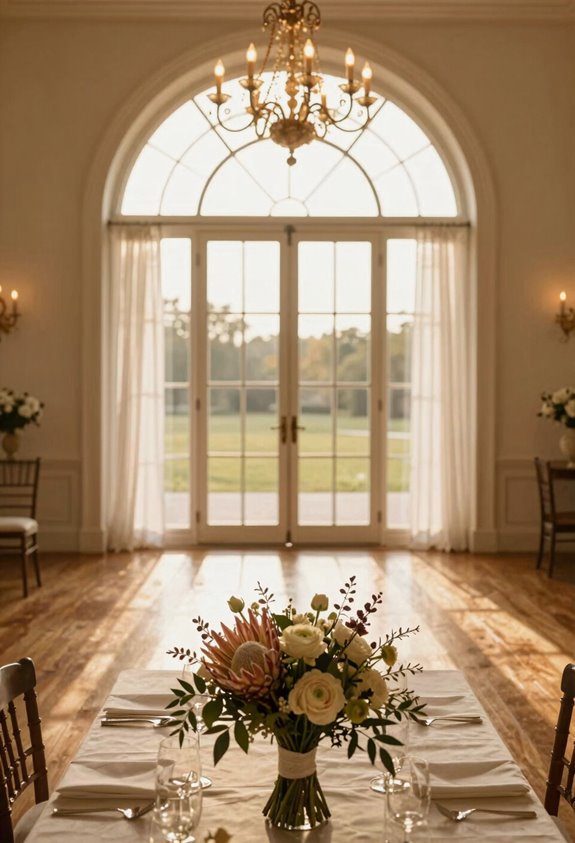
When you’re ready to embark on wedding planning, securing your venue ranks among the most critical early decisions you’ll make. Booking your venue 12–18 months in advance is common and advantageous for several compelling reasons.
Popular venues fill their calendars quickly, especially during peak seasons when availability changes rapidly. By booking well in advance, you’ll access preferred dates that might otherwise slip away to other couples. You’ll also need to submit a contract and deposit, typically ranging from 25–50% of your total rental cost, to formally reserve your chosen date.
Early booking provides additional planning advantages: vendors gain more time to coordinate services, and you’ll likely unlock better pricing or exclusive discounts. Starting your venue search when your budget and guest list are finalized positions you for success.


Why Booking Popular Venues Requires Early Action
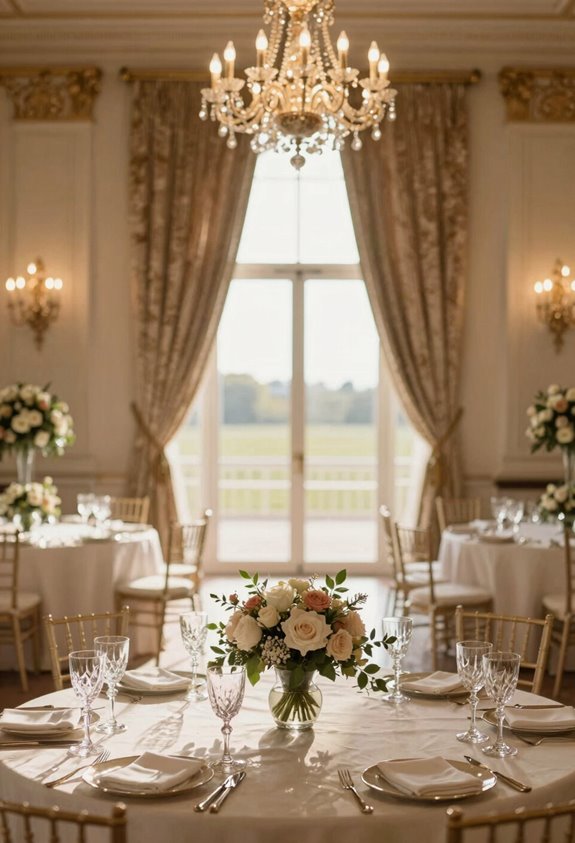
How quickly do the best venues disappear from available calendars? Popular venues book months in advance, particularly during the peak wedding season from May through October. Your preferred Saturday date during September or October likely has multiple couples competing for the same slot. Booking early secures your choice before competitors claim top dates and amenities. Venues with strong reputations fill their calendars fastest, sometimes completely booked 18 to 24 months out. Without early action, you’ll face limited availability, reduced flexibility on timing, and potential disappointment. Couples who delay booking often discover that their ideal venue or preferred date is already claimed. Early booking also provides financial advantages, as venues frequently offer better pricing for advance reservations. Securing your venue early ensures you control your wedding’s foundation rather than accommodating what remains available.

High-quality material:The baby boy clothes is made of cotton blend, soft to the touch, comfortable and skin-friendly, no harm to the skin of the baby boy, handsome and attractive.

Toddler Flower Girl Dress-Design: sage green flower girl dress toddler tutu dress, sleeveless round neck top bodice, a huge bowknot on each shoulder at waistline, pleated mesh on the front, looks luxurious and noble by its excellent workmanship. Formal wedding tulle dress for girls birthday party dresses, invisible zipper and self-tied sashes at back allow for a customized ease and fit to different body shapes. Tons of sequins glitters on the hemline make you shine beautifully all the time.
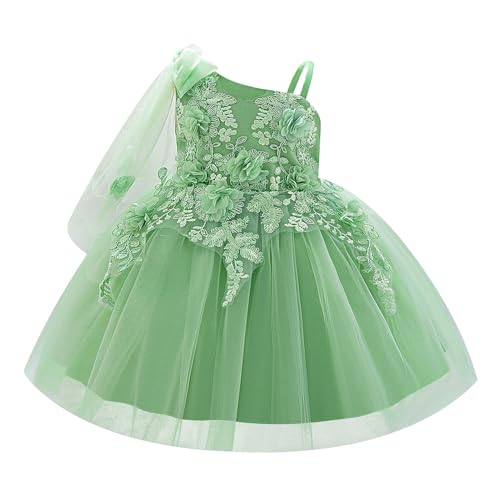
Toddler Baby Flower Girl Dress: Elegant Kids girls asymmetric neckline 3D flower embroidered ruffle tulle straps party dress wedding formal pageant ball prom gown, princess tulle tutu birthday dress for girl, perfect as toddler flower girl dress, little girl wedding guest dress, toddler baby pageant dress, first birthday dress, green Christmas dress, 1st, 2nd, 3nd birthday girl cake smash photoshoot dress, father and daughter dance gown.
How Early Is Too Early? (18–24 Months Out)
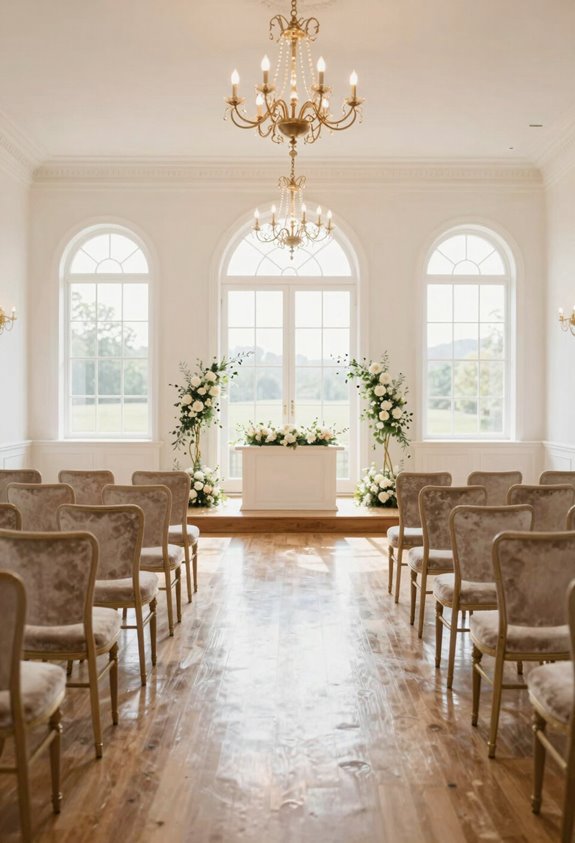
Booking well in advance solves the competition problem, but there’s a practical limit to how far ahead you should plan. Booking 18 to 24 months out represents the sweet spot for most couples navigating their booking timeline. This window allows you sufficient time to secure peak dates before popular seasons and weekends fill, yet you’re not committing so early that vendor availability becomes uncertain or your vision shifts. Beyond 24 months, you’re booking unnecessarily early. Most venues and vendors don’t finalize pricing, amenities, or availability that far ahead. For couples eyeing CW Farm and Ranch or similar sought-after venues, the 12 to 18-month window is when you’ll finalize your choice and lock in your date. This approach balances strategic planning with practical flexibility.

CREATE A COVER-WORTHY PARTY MOMENT: Give guests a walk-in magazine cover photo booth experience that becomes part photo backdrop, part party attraction. The large-format enclosure creates an eye-catching place for group photos and shareable moments at weddings, birthdays, corporate events, brand activations, and other celebrations.


Book Too Late? Here’s What You Risk
The consequences of delaying your venue search extend far beyond mere inconvenience. When you wait too long to secure a location, you’re competing against countless other couples for the same peak dates. Your booking timeline matters considerably because popular Saturdays and desirable seasons fill quickly, sometimes within months of availability opening.
Waiting fewer than six months narrows your options considerably. You’ll likely face limited availability across your preferred venues, forcing you to compromise on location, amenities, or your ideal date. High-demand properties, particularly private ranches, may already be booked entirely. Additionally, venues capitalize on last-minute demand, potentially charging premium rates for remaining slots.
Securing your venue early allows you to access the widest selection and maintain budget control. Delaying this decision results in losing your preferred location and paying higher rates for available dates.

Made of skin-friendly polyester blend with a sheer tulle overlay, this dress is lightweight, breathable, and gentle on baby’s delicate skin, ensuring all-day comfort for your little one.
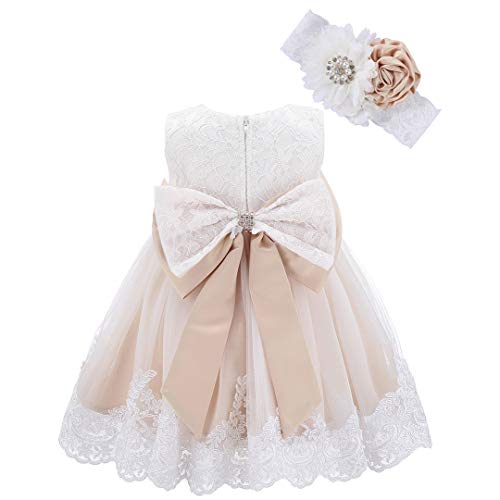
WEDDING FLOWER GIRL STYLE: This baby flower girl dress combines a vintage lace bodice, layered tulle skirt, and prominent waist bow for ceremonies and portraits. The two-piece set includes one dress and one matching headband, creating a coordinated choice for families comparing flower girl dresses for wedding events. The silhouette works for a wedding party, pageant, church program, or family photo while keeping the lace, bowknot detail, and included accessory easy to understand.

Butterfly Dress for Girls: Toddler baby girl square neck 3d butterfly tulle tutu dress, bowknot tulle princess dress is crafted from carefully selected high-quality fabric, toddler baby girl birthday party dress offers a super-soft touch, ensuring utmost comfort for your little one. The fabric is gentle on the skin, with excellent elasticity and durability.
Your Month-by-Month Booking Action Plan
Now you’ll commence on a structured approach to venue booking, breaking down the 18-to-24-month window into practical phases with specific tasks. Each month carries distinct priorities: initial research and budget confirmation, venue tours, contract negotiation, and deposit placement. Understanding these timeline milestones and corresponding action steps ensures you’ll secure your preferred date, amenities, and rates while avoiding last-minute complications.


Timeline Milestones By Month
When should you embark on your venue search, and how far ahead does strategic planning matter? Your booking timeline depends on your wedding vision and preferred dates. Consider these key milestones:
- 18–24 months before: Ideal for peak season dates, particularly Saturdays during May through October
- 12–18 months before: Acceptable timeframe for most couples seeking popular venues
- 6–12 months before: Manageable for off-season weddings or flexible couples
- Within 6 months: Last-minute options exist but expect limited availability and higher stress
- Deposit phase: Secure your date with a 25–50% deposit, initiating vendor coordination
Starting your search early provides significant advantages. You’ll secure preferred dates, coordinate major vendors efficiently, and reduce the uncertainty of last-minute planning. Peak season demands advance booking, but off-season flexibility allows shorter timelines without compromising your vision.
Action Steps For Each Phase
Understanding your timeline is one thing; executing it strategically is another. At 18 to 24 months out, you’ll embark on venue tours and submit initial inquiries. This early booking timeline secures top-choice dates and allows you to assess layout and flow thoroughly.
Between 12 to 18 months ahead, you’ll formalize your selection by signing a contract and submitting your deposit and contracts, typically ranging from 25% to 50% of total rental costs. Consider flexible date options such as weekdays or off-season dates to access preferred venues and negotiate better pricing.
Once locked in, you’ll coordinate with major vendors: catering, entertainment, and photography. Early commitment prevents last-minute compromises and ensures amenities align with your vision. Each phase builds momentum toward your celebration.
Seasonal Booking Peaks: When Demand Skyrockets
Demand for wedding venues fluctuates dramatically throughout the year, with certain months commanding considerably higher prices and faster booking timelines. You’ll encounter the most competitive peak season from May through October, when couples vie for limited availability.
Consider these critical factors when planning your booking timeline:
- September and October represent the most sought-after months nationally
- Venues book 12 to 18 months in advance during peak season
- Popular locations fill their calendars quickly, sometimes within weeks
- Winter and off-season dates offer greater flexibility and potential savings
- Last-minute bookings require rapid decision-making within a six-month window
Understanding seasonal demand patterns helps you strategize effectively. If you’re targeting peak season months, begin your venue search early to secure preferred dates and negotiate favorable terms before competition intensifies.

Christening Dresses for Baby Girl-CHIC CUTE DESIGN sleeveless, round neck bodice overlay with delicate embroidery mesh, embellished with embroidered flowers, shiny sequins, flower appliques and beads, makes your girl more elegant. Irregular embroidery mesh at the side, 2 layers tulle skirt with lining underneath, the hem of outer skirt embellished with exquisite shell-shaped lace. Hidden zipper closure at the back, sash can be tied at the back.

Comfy Wearing: Our baptism dresses for baby girls are made of high-quality ribbed fabric, which are very soft, comfortable to wear and breathable, and very friendly to the baby's tender skin. Baby girl dress suitable for all-day wear in fall, winter and spring, providing your baby girl with a warm and comfortable feeling.

More suit for 6 months-5 years old princess girls
Off-Season Booking: More Flexibility, Better Rates
When you book during off-season months, you’ll encounter less competition for your preferred venue and can negotiate better rates from vendors seeking bookings. Winter weddings and shoulder-season dates offer distinct advantages: increased vendor availability, flexible scheduling options, and meaningful discounts on rental fees and amenities. You’ll also find that venues and suppliers have more time to dedicate to your event, creating opportunities for personalized service and creative accommodations that peak-season couples often can’t secure.
Winter Wedding Advantages
Why do so many couples overlook winter for their wedding date? Winter wedding advantages deserve serious consideration when you embark on weeks booking your venue. Off-season timing provides substantial benefits that savvy couples recognize:
- Enhanced vendor availability and flexibility in scheduling
- Significant discounts from venues and caterers during slower demand periods
- Extended negotiation windows allowing relaxed planning timelines
- Indoor spaces and climate-controlled amenities protecting against weather concerns
- Unique cozy ambiance and scenic backdrops ideal for photography
Winter bookings eliminate the pressure of peak season competition. You’ll secure better rates while enjoying more relaxed vendor interactions. Many venues offer sophisticated indoor options, ensuring comfortable guest experiences regardless of weather conditions. The reduced demand means you’re not competing with dozens of other couples for the same dates and services. This strategic timing delivers both financial savings and planning ease that spring and summer bookings cannot match.
Negotiating Off-Season Discounts
Off-season bookings position you as a desirable client rather than one competing among dozens. Venues and caterers hold greater availability during winter and early spring months, granting you considerable negotiating power. You’ll find vendors more willing to offer discounts, bundle services, and upgrade amenities when demand drops significantly.
With fewer competing events on their calendars, establishments become flexible about dates, layouts, and optional add-ons. This reduced competition enables you to secure preferred time slots while requesting meaningful price concessions. Savvy couples leverage this advantage by requesting package deals combining venue rental, catering, and services at substantially lower costs than peak-season rates.
Off-season timing transforms you from one client among many into a priority booking worthy of their best offers.
Vendor Availability And Flexibility
Booking during slower months grants you access to vendors who’d otherwise be unavailable or inflexible during peak wedding season. When you book early for off-season dates, you gain negotiating power that simply doesn’t exist during competitive periods like May through October.
Consider these advantages:
- Photographers, caterers, and florists offer flexible scheduling and personalized attention
- Venues reduce rates significantly during slower months, stretching your budget further
- You’ll secure preferred amenities without competing against dozens of other couples
- Last-minute changes become manageable when vendors aren’t fully booked
- Weekday bookings enhance availability even more than weekend alternatives
Booking 12–18 months ahead during off-peak periods positions you strategically. You’re not rushing against peak-season demand, which means vendors genuinely want your business. This combination of early booking plus flexible dates creates a collaborative planning process rather than a competitive scramble.
Last-Minute Venue Bookings: What’s Realistic?
When you’re working with a compressed timeline, securing a wedding venue requires flexibility and strategic compromise. Last-minute bookings within six months demand quick decision-making and venues equipped with in-house coordination capabilities. You’ll find greater availability by considering weekday or off-season dates, which often come with potential discounts. Popular Saturday slots during peak seasons remain highly competitive, so alternative timing expands your realistic options considerably.
Booking early, ideally 18 to 24 months in advance, secures top-choice dates and minimizes unavailability risks. If last-minute bookings are unavoidable, prioritize venues demonstrating established coordination infrastructure. Rural properties and private ranches typically require earlier tours and deposits to guarantee preferred spring or fall dates. Your willingness to adapt timing and venue type directly determines whether you can secure a suitable last-minute venue.
Which Venue Details Should You Lock In Now?
Once you’ve secured your venue, lock in critical details about essential amenities, layout configurations, and guest accommodations before moving forward with other planning elements. Clarifying vendor coordination requirements, whether your venue allows outside caterers, musicians, and photographers or requires in-house professionals, prevents costly conflicts and surprises. Your flexibility regarding seasonal considerations and date options directly impacts which details you can finalize now versus which you’ll adjust later as other vendor availability becomes clear.
Essential Amenities and Layout
Beyond the aesthetic appeal of a potential venue lies a critical layer of logistical details that will directly impact your wedding day experience. Confirm the venue provides essential amenities and clarify your layout options early.
Essential considerations include:
- Tables, chairs, linens, and on-site restrooms for guest comfort
- Lodging options and dressing rooms for the wedding party
- ADA accessibility features and adequate parking or transportation
- Included decor and rental items versus additional costs
- Indoor/outdoor capacity for dancing, dining, and activities
A dedicated day-of contact manages setup, teardown, and coordination efficiently. Verify weather backup plans for outdoor elements. Understanding these amenities and layout specifics prevents last-minute surprises and ensures your venue accommodates your vision and guest needs appropriately.
Vendor Coordination Requirements
Your venue’s vendor policies will shape every major decision you’ll make over the coming months, from catering and entertainment to photography and floral design. Request and review all vendor coordination requirements directly from your venue during your booking date discussion. Understand which vendors the venue requires you to use, which ones they prohibit, and which ones operate independently within their space. Clarify setup and breakdown timelines, electrical access, parking provisions for vendor trucks, and load-in procedures. Document noise restrictions, equipment limitations, and any exclusive contracts the venue maintains. This vendor coordination groundwork prevents conflicts between your chosen professionals and venue policies, ensuring seamless integration across catering, entertainment, and photography services throughout your wedding day.
Seasonal and Date Flexibility
When should you settle on your wedding date? Booking early provides notable advantages when you’re planning your special day. Your date flexibility improves considerably when you commit to a timeline aligned with peak and off-season patterns.
Consider these key timing strategies:
- Peak season (May-October) requires booking 12-18 months in advance for preferred venues
- September and October demand earliest reservations due to popularity among couples
- Winter bookings offer more availability and potential discounts for flexible couples
- Weekday dates increase your chances of securing desired venues with less competition
- Six-month advance booking represents the minimum threshold before limiting your options significantly
Couples who book early gain access to premium venues and better pricing. Those embracing off-season celebrations discover unexpected flexibility without compromising quality. Strategic date selection directly influences your venue options and overall wedding experience.
When to Book Your Vendors: Coordinating the Timeline
How you coordinate your vendor bookings will largely determine whether you secure your ideal team or settle for available alternatives. Begin booking early during the same 12 to 18 month window when you reserve your venue. This timeline coordination ensures catering, entertainment, and photography professionals remain available for your date.
Major vendors book quickly, particularly during peak seasons. Conduct tours and inquiries promptly, completing deposits or contracts to lock in your preferred choices. When you delay vendor bookings beyond 18 months post-booking, you risk limited options and inflated pricing.
A proactive approach reduces last-minute constraints significantly. Confirm timelines with each vendor systematically, verifying amenities, availability, and contract terms. This organized strategy allows you and your partner to assemble a cohesive team aligned with your vision and budget.
How to Secure Your Preferred Date (and Hold It)
What separates couples who celebrate on their dream date from those who compromise comes down to one critical action: securing the venue reservation with a deposit.
Once you’ve identified your ideal booking date, you’ll need to take these steps to hold it:
- Confirm availability with your venue immediately
- Submit your deposit, typically 25% to 50% of total rental cost
- Request written confirmation of your reserved date
- Review contract terms regarding cancellation policies
- Obtain documentation outlining all amenities included
Acting quickly during peak seasons, particularly for Saturday weddings, prevents disappointment. Your deposit formalizes the booking and protects your chosen date from other couples. Without this financial commitment, venues cannot guarantee availability.
Securing your preferred date early eliminates uncertainty and allows you to coordinate other vendors with confidence. This foundational step establishes the framework for your entire planning process.
The 5 Booking Mistakes That Derail Timelines
While securing your deposit locks in your date, the path to that moment involves numerous decisions where couples commonly stumble. Delaying tours until months before your wedding severely limits available options and forces rushed choices. Not confirming flexible date alternatives leaves you vulnerable if your preferred Saturday books elsewhere. Failing to secure tentative holds during decision-making allows venues to release promising dates to other couples. Booking early provides breathing room, yet many couples wait until six months remain, when inventory dwindles considerably. Finally, underestimating deposit amounts, typically twenty-five to fifty percent of total rental costs, creates financial surprises later. Understanding these pitfalls helps you navigate the booking process strategically, ensuring you reserve your ideal venue and avoid preventable timeline disruptions that compromise your celebration.
Venue Booking Checklist: Before You Sign
Before you sign a venue contract, you’ll want to review a comprehensive checklist that covers all critical details, financial terms, and operational specifics that shape your wedding day. Your thorough review protects your investment and ensures the venue aligns with your vision.
Review your venue contract thoroughly to protect your investment and ensure alignment with your wedding vision.
Key items to verify before booking:
- Deposit amount and payment schedule, typically 25% to 50% of total rental cost
- Cancellation and refund policies for unexpected circumstances
- Included amenities such as tables, chairs, linens, and kitchen access
- Guest capacity limits and layout flexibility for your preferred setup
- Vendor restrictions regarding outside catering, photography, and music services
Request clarification on any ambiguous terms. Confirm dates, times, and all services in writing. Understanding these details prevents costly misunderstandings and ensures your venue booking aligns with your wedding plans.