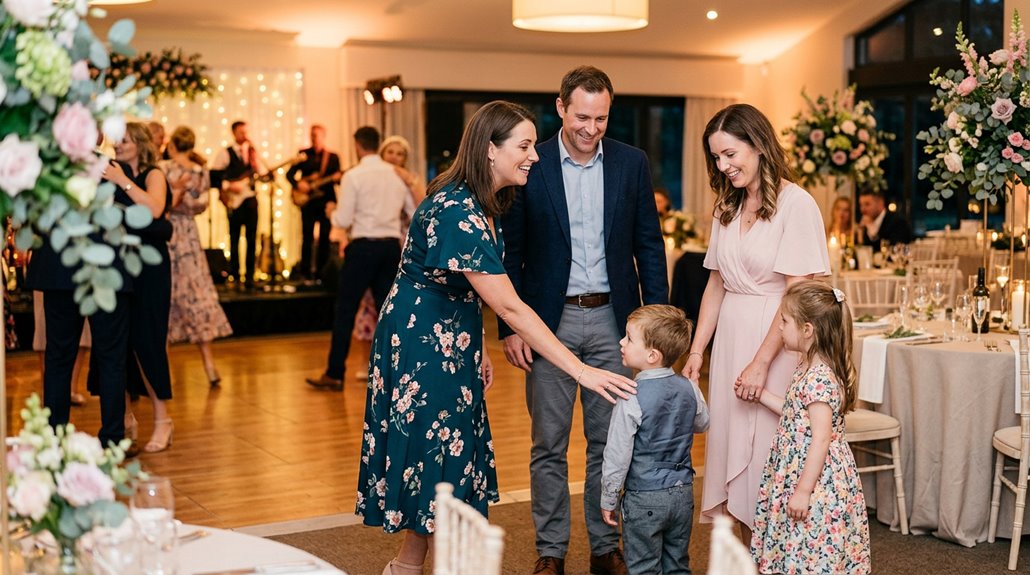
To politely establish an adults-only wedding policy, identify your primary reason: budget constraints, venue capacity, desired atmosphere, or family-only dynamics. Announce the policy early through save-the-dates, invitations, and your wedding website using consistent, clear language. Address envelopes only to invited adults, phrase RSVPs as “number of adults attending,” and reference venue restrictions as factual limitations rather than personally. Maintain warm but firm boundaries when guests push back, offering childcare solutions when feasible. The sections ahead explore each step in detail.
Decide If a No-Kids Wedding Is Right for You
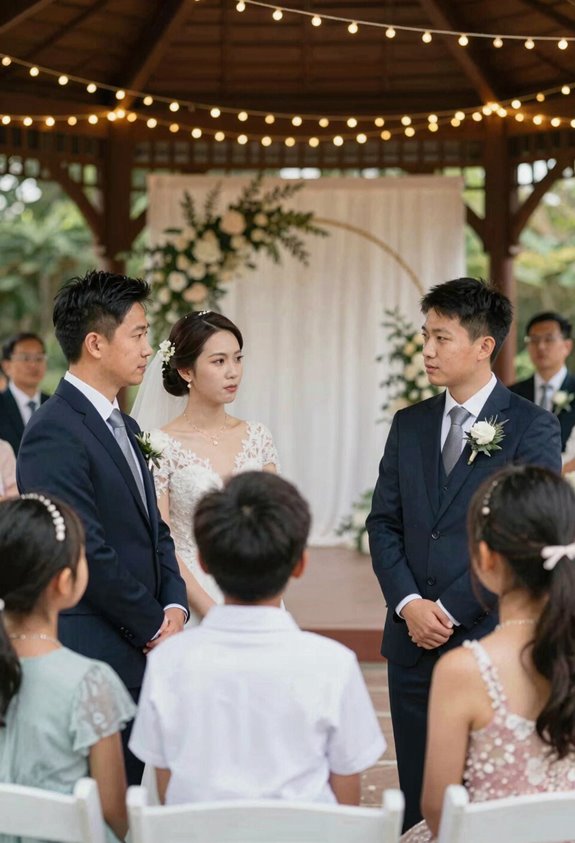
Before you begin planning a no-kids wedding, take time to assess whether this policy aligns with your vision, values, and relationships. Consider your guest list carefully, noting how many children attend your extended circle and whether excluding them might strain important connections. Evaluate your venue restrictions, as some locations impose age limitations or lack amenities for families with children. Reflect on your communication comfort level, since a no-kids policy requires clear, consistent messaging through invitations and your wedding website. Think about whether you’d offer childcare options, which can ease guest concerns and demonstrate consideration. Ultimately, this decision should feel authentic to you, not obligatory, allowing you to create the celebration you genuinely want while maintaining meaningful relationships with those you’re inviting.
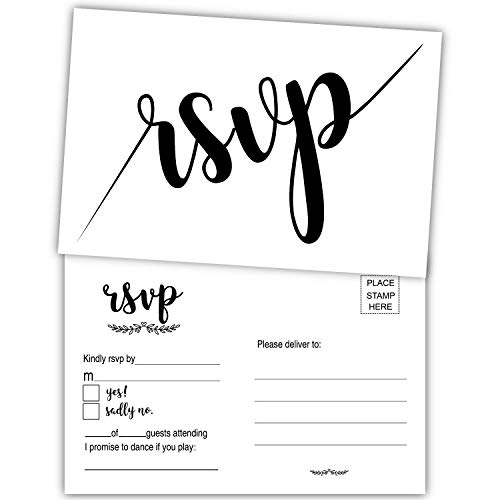
Modern Design: 50 Pack of double sided fill in RSVP response card postcards. features a modern and simple yet classic design in black ink, double-sided design.

Full Set: 50 Pack of RSVP Postcards for wedding favors, receptions, parties, events, and celebrations.

Express Your Gratitude: Your guests will appreciate these exclusive rsvp card invitations to participate in your events and events!
Identify Your Real Reason (Budget, Space, Tone, or Family Only)
Before you communicate your child-free policy to guests, you’ll need to identify whether budget constraints, venue space limitations, desired atmosphere, or family-only dynamics drive your decision. Your primary reason becomes the foundation for all future messaging, shaping how you phrase invitations, website language, and RSVP communications with consistency and clarity. Naming this reason early allows you to craft honest, practical language that guests will understand and respect.

Quantity: 20 set. 20 invitations and 20 envelopes.


Packing Combination: You will receive 25 cute invitation cards and the same number of matching envelopes, which can meet your needs of inviting family and friends.
Budget Constraints And Limits
What drives your decision to host an adults-only wedding: budget, space, tone, or family preference?
Budget constraints often determine whether you can accommodate children at your celebration. Fewer guests means reduced catering costs, venue rental fees, and overall expenses. When you’re working with limited finances, an adults-only policy lets you allocate resources toward better amenities, quality food, or enhanced experiences for adult attendees.
Your venue space directly correlates with budget. Smaller venues cost less but hold fewer people, making children’s exclusion a practical necessity rather than a preference. Clear guest communication about budget limitations demonstrates respect for your guests’ understanding.
Frame your RSVP wording thoughtfully: “Due to budget and space constraints, we’re hosting an adults-only celebration.” This phrasing avoids blame while explaining your reasoning. Consistency across invitations and wedding websites prevents confusion and questions about childcare arrangements.
Venue Space Restrictions Matter
How you’ve chosen your venue fundamentally shapes your guest list and determines whether an adults-only policy becomes a practical necessity. Your venue restrictions directly influence capacity, seating arrangements, and overall comfort for all attendees. Limited capacity venues often require difficult choices about who receives wedding invitations, making an adults-only wedding a logical solution rather than a personal preference.
When space limitations exist, communicating this reasoning in your venue policy strengthens guest understanding. Your wedding invitations should clearly reference the space constraints, helping relatives and friends grasp the logistical reality behind the decision. State something like “Due to limited capacity, we’re hosting an adults-only celebration” to frame the restriction as practical necessity.
This straightforward approach transforms a potentially sensitive topic into transparent communication about your venue’s actual capabilities and amenities.
Tone Sets Your Message
Your decision to restrict children from your wedding stems from one of several distinct reasons: budget limitations, venue capacity constraints, family-only preferences, or a combination thereof. The tone you adopt when communicating this choice directly influences how guests perceive your decision.
| Reason | Tone | Messaging |
|---|---|---|
| Budget constraints | Practical, straightforward | “Due to budget limitations, we’re hosting an adults-only celebration.” |
| Venue capacity | Matter-of-fact, clear | “Our venue accommodates only adult guests.” |
| Family-only policy | Warm, inclusive | “We’re reserving this event for immediate family members.” |
Your polite wording matters markedly. Avoid language suggesting judgment about parenting or childcare choices. Instead, frame restrictions around practical limitations rather than preferences. Consistent messaging across invitations, RSVP cards, and your wedding website reinforces clarity. When guests understand the underlying constraint, they’re more likely to respect your decision without feeling personally excluded from your celebration.
Announce Early Using Multiple Channels
Communicating an adults-only policy requires advance notice across multiple touchpoints so guests understand expectations before receiving formal invitations. Announce your no-kids policy through save-the-dates, your wedding website, and formal invitation cards using consistent, clear language about the adults-only celebration you’re planning.
Announce your adults-only policy early through save-the-dates, your wedding website, and invitation cards using clear, consistent language.
Start by discussing the policy with immediate family first, allowing them time to process before broader announcements. This approach prevents confusion and demonstrates respect for your closest relationships.
Your wedding website serves as a central hub for policy details, reducing repetitive questions. Include your no-kids policy prominently alongside venue information and accommodations. RSVP notes should reiterate the adults-only requirement gently but firmly.
This multi-channel strategy ensures guests receive your message repeatedly through different formats, minimizing misunderstandings and last-minute complications about attendance.

Multi-function in one: letter writing guide and envelope address writing guide.

The information below is per-pack only
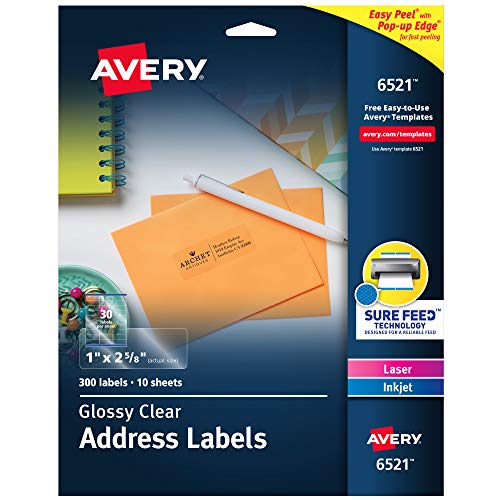
Enjoy a printed-on look with glossy crystal clear address labels that are completely transparent and disappear onto glass, plastic and cellophane
Choose the Right Words for Invitations and Your Website
What you say matters far more than whether you say it at all, and the language you select sets the entire tone for your adults-only policy. Thoughtful wording on invitations and website messaging prevents misunderstandings while respecting your guests’ need for childcare planning.
| Invitation Element | Effective Phrasing |
|---|---|
| Main line | “Adults-only celebration” or “An evening for adults” |
| RSVP section | “Number of adults attending” |
| Website FAQ | “Our venue policy limits attendance to guests 18+” |
| Save-the-date | “Adult reception to follow ceremony” |
Your RSVP cards reinforce the adults-only expectation through specific language. Address envelopes to exact invitees only, omitting children’s names entirely. Website messaging should explain your venue policy clearly and compassionately, acknowledging that guests need advance notice for childcare arrangements.

Click the customization button and select the quantity you would like.


RSVP postcards for weddings: save on stamps and skip the envelope, these 3.5 x 5 inch RSVP cards meet USPS postcard mailing requirements, so guests reply with a standard postcard stamp; ideal for wedding invitation and response card sets
Use Envelope Wording to Signal Adults Only
Before you write a single word on your invitation card itself, the envelope becomes your first and most powerful communication tool for signaling an adults-only celebration. Address envelopes only to invited adults by their exact names, deliberately omitting children’s names or family-wide references. This practice sets clear expectations without requiring explicit “adults only” text on the invitation itself.
Pair your envelope wording with an RSVP card that requests the number of adults attending, reinforcing your children policy through multiple channels. Synchronize messaging across your envelope, RSVP card, and wedding website to ensure consistent guest messaging about your adults-only decision.
This layered approach prevents misinterpretation while maintaining politeness and clarity. When envelopes, response cards, and website notes all convey the same adults-only message, guests understand your boundaries with complete clarity.
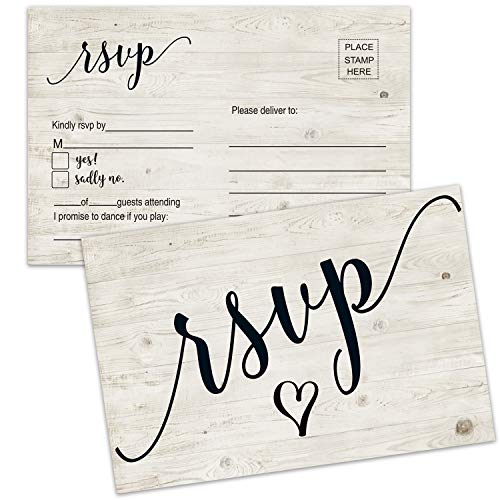
Modern Design: Pack of 50 double sided fill in RSVP response card postcards. features a modern and simple yet classic design with rustic wood grain texture, double-side designs unique touch.


Package: 50 double-sided fill-in RSVP response cards for wedding favors, receptions, parties, events, and celebrations.
Answer the Question: “But Why Not Our Children?”
When guests inevitably ask why their children aren’t invited, you’ll need clear, honest reasons grounded in practical constraints rather than personal judgments. Your venue may have strict capacity limits, age restrictions, or safety policies that simply don’t accommodate children, while your budget might stretch only to adult meals and amenities. Framing the decision around these objective limitations, not parenting choices, helps guests understand that you’re protecting the atmosphere and experience you’ve envisioned for everyone attending.

Customize Your Own Tee Shirt Exactly the way you want it to be ! Perfect for Your Business with Logo's or Family Events , Birthdays , Events , Holidays , and more Events. Just Choose a Color and Size and click CUSTOMIZE NOW to start personalization

SUITABLE SIZE: Party Invitation Cards Measure approximately SIZE 3.9 inches by 5.9 inches. The included envelopes measure 4.5 inches by 6.5 inches and 15 matching envelope seal stickers in this package.
Venue Restrictions And Safety
Why your venue’s physical limitations might necessitate an adults-only policy becomes clearer once you understand the practical constraints involved. Many wedding locations operate under strict fire codes, capacity limits, and safety regulations that directly impact how many guests you can accommodate. Elevators, balconies, and stairwells must meet specific standards, and adding children sometimes exceeds these thresholds. Additionally, venues serving alcohol and featuring dancing require secure environments that adult-only policies help maintain. Your venue restrictions aren’t personal preferences but legal requirements your couple must follow. When communicating this child-free wedding decision, reference these specific safety and capacity considerations directly. Clear communication through save-the-dates, invitations, and wedding websites about venue-driven constraints prevents misunderstandings and demonstrates that your adults-only approach stems from necessity, not judgment about parenting choices.
Budget And Space Limitations
How you allocate your wedding budget directly shapes your guest list and venue capacity decisions. When planning an adults-only wedding, budget and space limitations often drive this children policy more than personal preference.
Hosting children requires additional expenditures: increased catering costs, expanded venue amenities, enhanced staffing, and larger seating arrangements. Your invitations should clearly communicate these constraints without judgment. On your RSVP cards and wedding website, specify that the celebration accommodates adults only due to venue restrictions and budget considerations.
This straightforward approach helps guests understand your decisions aren’t personal rejections. Many couples find that explaining practical limitations generates acceptance and reduces resentment. Clear communication across all invitations creates consistency, preventing confusion about your adults-only policy and demonstrating thoughtful, intentional planning.
Creating The Right Atmosphere
Many couples envision their wedding as an intimate adult celebration where conversation flows freely, dancing extends into the evening, and refined cuisine takes center stage without interruption. You’re creating an adults-only atmosphere intentionally, not from judgment but from a desire to foster genuine connection among guests. This policy reflects your personal vision for the day.
Clear communication through save-the-dates, invitations, and your wedding website establishes this expectation early, reducing confusion. Consistency matters greatly; apply your policy equally to all guests without exceptions. Specify age ranges if needed, mention any exceptions for immediate family beforehand. Your straightforward, courteous tone explains the choice without judgment.
Supporting this policy with practical childcare options and advance notice demonstrates respect for your guests’ situations. This approach honors both your vision and your guests’ needs.
Plan What Happens to Kids During Your Ceremony
Once you’ve decided on your child-attendance policy, you’ll need to arrange what happens to younger guests during the ceremony itself. Coordinating with your venue ensures appropriate supervision staffing and child-friendly activities remain available throughout the event. You’ll want to communicate these details clearly to guests with children, providing practical information about check-in times, kids’ area locations, and designated guardian contact methods in advance.
| Supervision Option | Best For | Key Details |
|---|---|---|
| Designated kids’ area | Immediate family children | Quiet, supervised space near ceremony |
| Professional creche service | Multiple young attendees | Staffed care with activities |
| Kids’ club setup | Older children | Engagement-focused activities post-ceremony |
This ceremony plan addresses the practical needs of both children and your event’s atmosphere. Venue coordination prevents distractions during the ceremony while ensuring children have appropriate care and supervision throughout your celebration.

Enjoy a printed-on look with frosted clear shipping labels that virtually vanish on white and light-colored envelopes, textured paper vellum, glassine white plastic and frosted glass

Personalized address labels save you the time and hassle associated with self addressing every envelope.

Customizable 4-Line Stamp: Personalize up to four lines of text — perfect for names, addresses, business names, and contact information.
Respond When Guests Push Back
Remain calm and consistent when pushback occurs. Avoid defending your personal preferences or appearing dismissive of parents’ concerns. Instead, offer to discuss individual situations privately rather than in public settings. Direct guests to your wedding website or RSVP card for complete policy details. If you make exceptions for immediate family or wedding party members, communicate these clearly in advance through all invitation channels, maintaining consistency across your entire guest list.
Set Age Boundaries and Handle Exceptions
How you establish and communicate your age policy will shape guest expectations from the earliest invitation touchpoint. You’ll want to clearly define your adults-only stance while addressing inevitable exceptions thoughtfully.
Clear communication of your age policy from the initial invitation sets expectations and prevents misunderstandings with guests.
Consider these three key strategies:
- State your age boundary explicitly (18+ or 21+) on save-the-dates, invitations, and your wedding website to eliminate ambiguity.
- Identify exemptions upfront, such as immediate family children or wedding party members, reducing potential conflict.
- Align all communication channels, including RSVP cards, inserts, and digital platforms, ensuring consistent invitation wording throughout.
Frame your venue policy as a personal choice rather than judgment. Use neutral language that helps guests understand your reasoning while allowing adequate time for childcare planning. Clear expectations from the start prevent misunderstandings and demonstrate respect for your guests’ need to arrange alternative arrangements.

IMPRESS YOUR GUESTS: Your guests are going to love getting invited to send elegant RSVP Response Postcards, that will leave a lasting impression.

THE IDEAL RSVP CARD – Self-mailing response/return card with a simple but elegant black pattern and includes a response box, return date and name of recipient. Suitable for any occasion.
Offer Childcare Solutions to Ease the Burden
If you’ve decided on an adults-only celebration, providing childcare options demonstrates consideration for parents who’d otherwise need to skip your wedding or arrange expensive last-minute alternatives. You can arrange on-site childcare through certified babysitters stationed in designated quiet rooms or hire mobile childcare services to manage kids at wedding logistics seamlessly. Publish clear childcare arrangements on your wedding website, including specific timelines such as “creche available from 6:00 PM to 11:00 PM” and direct contact details. Address childcare costs upfront on save-the-dates or your website, offering subsidies when possible to reduce financial burden on family guests. Coordinate with your venue regarding safe spaces and adequate staffing to ensure babysitting services remain reliable and consistent throughout your celebration.


Customize Your Own Tee Shirt Exactly the way you want it to be ! Perfect for Your Business with Logo's or Family Events , Birthdays , Events , Holidays , and more Events. Just Choose a Color and Size and click CUSTOMIZE NOW to start personalization